
Understanding House Wiring Basics is essential for anyone looking to manage or improve the electrical system in their home.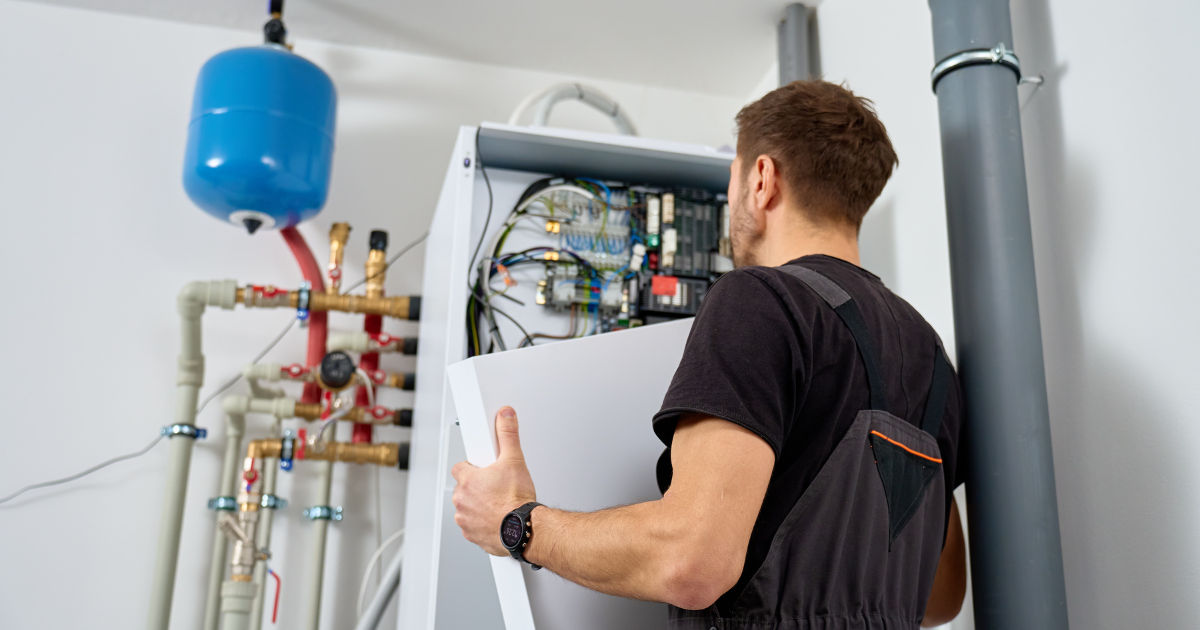
While it may seem complicated at first, breaking it down into simple steps can make it much easier to grasp.
Whether you’re a homeowner wanting to handle minor repairs or simply curious about how electricity flows in your house, this guide will help you understand the core concepts safely and effectively.
Electricity powers almost every aspect of modern life. From lighting to heating, entertainment to kitchen appliances, electricity is the backbone of home functionality.
A Female Quran teacher in many communities often emphasizes learning practical skills alongside spiritual growth, and understanding House Wiring Basics is one of those valuable skills.
This guide by PowerLink Co Pakistan is written in easy-to-understand language suitable for 12th-grade readers and beginners. By the end of this article, you will have a solid foundation in house wiring principles, tools, safety measures, and basic troubleshooting techniques.
What is House Wiring?
House wiring is the system of wires, cables, and devices that distribute electricity from the main electrical supply to various outlets, appliances, and lighting points in a home. Essentially, it is the network that carries electrical current safely and efficiently to where it is needed.
Learning House Wiring Basics involves understanding three main components:
-
Power Source: Usually the main electrical panel or breaker box.
-
Conductors: Wires that carry electricity, including live, neutral, and ground wires.
-
Loads and Devices: Appliances, lights, and outlets that use electricity.
A strong grasp of these three elements helps in diagnosing problems and ensures safe installations.
Key Components of House Wiring
To understand House Wiring Basics, it is crucial to know the main components of a residential electrical system:
1. Electrical Panel (Breaker Box)
The electrical panel is the heart of your home's electrical system. It receives electricity from the utility company and distributes it throughout your house.
-
Circuit Breakers: Protect circuits from overloads by cutting off power when necessary.
-
Main Breaker: Controls power to the entire house.
-
Subpanels: Sometimes used in large homes to manage circuits more efficiently.
2. Wires and Conductors
Wires carry electricity from the panel to various points in the house. Understanding the types of wires is a core part of House Wiring Basics:
-
Live Wire (Hot): Usually red or black, carries current from the panel.
-
Neutral Wire: Typically white, carries current back to the panel.
-
Ground Wire: Green or bare copper, provides a safety path for electricity.
3. Outlets, Switches, and Fixtures
These are the points where electricity is used in your home. Each component has a specific role:
-
Outlets (Receptacles): Connect appliances to electricity.
-
Switches: Control the flow of electricity to devices like lights.
-
Lighting Fixtures: Convert electrical energy into light efficiently.
4. Conduits and Cable Management
Conduits protect wires from damage and organize them neatly inside walls, floors, and ceilings. Proper installation reduces the risk of shorts and electrical hazards.
Tools Needed for House Wiring
Learning House Wiring Basics also means knowing which tools are essential. Here’s a beginner-friendly list:
-
Screwdrivers: For outlet, switch, and panel screws.
-
Wire Strippers: Remove insulation without damaging wires.
-
Voltage Tester: Ensure circuits are safe before working.
-
Pliers: Bend, twist, and cut wires as needed.
-
Tape Measure: Measure cable lengths for neat installations.
-
Electrical Tape: Insulate and secure wire connections.
Using the correct tools ensures both efficiency and safety.
Understanding Electrical Circuits
Electrical circuits are the foundation of House Wiring Basics. A circuit is a complete loop that allows electricity to flow from the panel to the device and back.
Types of Circuits:
-
Series Circuits: Rare in homes; all devices share the same path.
-
Parallel Circuits: Common in homes; each device has its own path.
Parallel circuits ensure that if one appliance fails, others continue to work—a key safety and convenience feature.
How Electricity Flows in a House
To understand House Wiring Basics, you must know how electricity moves:
-
Electricity comes from the main supply to your home.
-
The electrical panel distributes it through breakers.
-
Wires carry current to outlets, lights, and appliances.
-
Neutral and ground wires provide safe return paths.
Electricity always seeks a path back to the source, which is why proper grounding is essential for safety.
Safety Tips for Beginners
Electricity is powerful and can be dangerous. A beginner must follow strict safety rules when learning House Wiring Basics:
-
Always turn off power at the main breaker before working.
-
Use insulated tools.
-
Test circuits with a voltage tester before touching wires.
-
Never overload outlets.
-
Keep water away from electrical components.
Even simple mistakes can lead to shocks or fires, so safety must always be your top priority.
Common Household Wiring Problems
Understanding House Wiring Basics also involves recognizing common issues:
-
Tripped Breakers: Usually caused by overloads or short circuits.
-
Flickering Lights: May indicate loose connections or faulty wiring.
-
Hot Outlets: Could signal an overloaded circuit or damaged wiring.
-
Frequent Blown Fuses: Often a sign of old wiring or improper circuit design.
Knowing these issues helps in both maintenance and troubleshooting.
Steps to Basic Wiring Installation
For beginners, understanding the installation process reinforces House Wiring Basics. Here's a simplified guide:
-
Plan Your Circuits: Determine where outlets, switches, and lights will go.
-
Measure and Cut Wires: Ensure proper lengths and minimal waste.
-
Install Boxes: Secure outlets, switches, and fixtures in wall boxes.
-
Run Wires Through Walls: Follow safety codes for placement.
-
Connect Wires to Devices: Match hot, neutral, and ground wires correctly.
-
Test the Circuit: Turn the breaker on and use a voltage tester to ensure functionality.
Always follow local electrical codes and guidelines for safe installation.
Understanding Circuit Breakers and Fuses
Circuit breakers and fuses prevent electrical fires by stopping current flow when circuits are overloaded.
-
Circuit Breakers: Can be reset after tripping.
-
Fuses: Must be replaced after blowing.
Learning the function of these safety devices is a critical part of House Wiring Basics.
Electrical Codes and Regulations
Every country has its electrical codes to ensure safety. In homes, these regulations cover:
-
Wire sizes for different circuits.
-
Outlet placement in kitchens, bathrooms, and bedrooms.
-
Grounding requirements.
-
Installation standards for switches and lighting fixtures.
Following these codes ensures your wiring is safe and compliant.
Energy Efficiency and Smart Wiring
Modern house wiring isn’t just about safety—it’s also about efficiency:
-
LED Lighting: Uses less energy than traditional bulbs.
-
Smart Switches: Allow remote control and automation.
-
Energy-Efficient Appliances: Reduce overall load on circuits.
Incorporating these elements while learning House Wiring Basics prepares your home for the future.
Tips for Troubleshooting Wiring Issues
Even beginners can handle basic troubleshooting by following these steps:
-
Identify the Problem: Check outlets, breakers, and devices.
-
Check Connections: Loose or damaged wires are often the cause.
-
Test Components: Use a voltage tester to ensure power flow.
-
Replace Faulty Parts: Outlets, switches, or breakers may need replacement.
Documenting your work and following safety protocols reduces the risk of accidents.
When to Call a Professional
While learning House Wiring Basics is valuable, some situations require an electrician:
-
Installing major appliances like ovens or HVAC systems.
-
Rewiring old homes with outdated electrical systems.
-
Complex circuit designs or troubleshooting recurring problems.
-
Any scenario involving high voltage risks.
Professional help ensures safety and compliance with electrical codes.
Summary and Conclusion
Understanding House Wiring Basics is an essential life skill that combines safety, efficiency, and practical knowledge. A well-organized electrical system powers your home, supports modern technology, and keeps you safe.
Key takeaways include:
-
Knowledge of electrical panels, wires, and circuits.
-
Awareness of safety precautions and proper tools.
-
Ability to troubleshoot minor issues.
-
Understanding energy efficiency and modern smart wiring options.
A Female Quran teacher might emphasize that practical skills like these enrich daily life and empower you to maintain a safe and functional home.
Mastering House Wiring Basics requires patience, careful observation, and practice. Start small, focus on understanding fundamental principles, and gradually take on more complex projects. With dedication, you can confidently handle basic house wiring, troubleshoot problems, and ensure your home’s electrical system runs safely and efficiently.