
Stall Fabrication plays a critical role in how a brand is seen, remembered, and approached at a trade show. In a crowded exhibition hall filled with competing booths, the right Stall Fabrication strategy can transform a simple space into a powerful marketing tool.
Businesses invest heavily in events, and visibility is the key return on that investment. When done right, Stall Fabrication attracts attention, communicates value, and invites meaningful interaction.
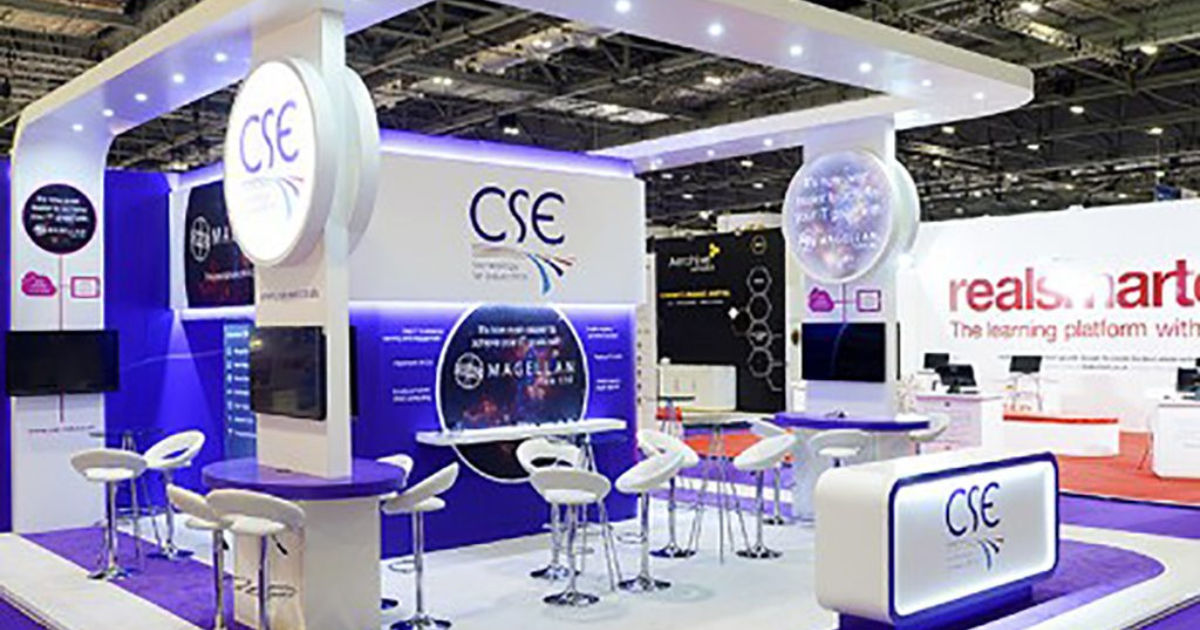
This comprehensive guide explores practical and creative Stall Fabrication ideas that improve visibility at trade shows.
The content is written in simple language, with short paragraphs, to make it easy for a 12th-grade audience to understand. From layout planning to lighting, graphics, materials, and technology, every aspect of Stall Fabrication is explained in detail.
The Importance of Visibility at Trade Shows
Visibility is more than just being seen. It is about being noticed for the right reasons. Trade shows are busy environments where visitors make quick decisions about which stalls to visit. Effective Stall Fabrication helps your booth stand out without overwhelming the audience.
A visible stall communicates professionalism and trust. When visitors see a well-designed Stall Fabrication, they assume the brand is serious, organized, and reliable. This first impression can influence conversations, leads, and sales.
Good visibility also supports brand recall. A unique Stall Fabrication design stays in the visitor’s mind long after the event ends. This long-term impact makes visibility one of the most valuable outcomes of trade shows.
Planning Your Stall Fabrication Strategy
Setting Clear Objectives
Before starting Stall Fabrication, it is important to define goals. Some brands want maximum foot traffic. Others want quality conversations or product demonstrations. Clear goals guide every Stall Fabrication decision.
If visibility is the main goal, the Stall Fabrication should focus on height, color, lighting, and open layouts. When objectives are clear, resources are used efficiently.
The Target Audience
Knowing your audience improves Stall Fabrication results. A technology-focused audience may prefer clean lines and digital displays. A lifestyle brand may benefit from warm colors and interactive spaces.
Audience understanding ensures that Stall Fabrication attracts the right people, not just large crowds. The right visitors bring better engagement and stronger leads.
Layout Ideas That Improve Stall Visibility
Open and Inviting Layouts
An open layout is one of the most effective Stall Fabrication ideas for visibility. Open stalls remove physical barriers and make it easy for visitors to walk in. This approach feels welcoming and less intimidating.
Avoid cluttered layouts. Simple pathways and clear zones allow visitors to explore comfortably. Clean Stall Fabrication layouts encourage longer visits and better interaction.
Strategic Zoning
Zoning divides the stall into functional areas. Product display zones, discussion areas, and demo sections should be clearly defined. Smart zoning enhances Stall Fabrication by creating order and flow.
When zones are visible and easy to understand, visitors know where to go. This clarity improves engagement and makes the Stall Fabrication more effective.
Using Height and Structure for Maximum Impact
Vertical Elements for Long-Distance Visibility
Height is a powerful Stall Fabrication tool. Tall structures, hanging banners, and vertical frames help stalls stand out from far away. In large halls, vertical visibility is essential.
Using height does not mean blocking light or space. Lightweight frames and open structures keep the Stall Fabrication airy while still being noticeable.
Multi-Level Design Concepts
Multi-level designs add depth to Stall Fabrication. Raised platforms, layered back walls, or stepped displays create visual interest. These elements guide the visitor’s eyes and highlight key messages.
Depth makes the stall more dynamic. A layered Stall Fabrication design feels more engaging than a flat setup.
Color Psychology in Stall Fabrication
Choosing Colors That Attract Attention
Color selection is a vital part of Stall Fabrication. Bright colors attract attention, while neutral tones create balance. The right mix improves visibility without causing visual fatigue.
Colors should match brand identity. Consistent color use across the Stall Fabrication strengthens recognition and professionalism.
Using Contrast for Readability
Contrast improves readability and focus. Dark text on light backgrounds or bold accents on neutral walls make messages clearer. Good contrast ensures that the Stall Fabrication communicates effectively from a distance.
Readable graphics mean visitors understand the brand message quickly, which is crucial in busy trade shows.
Lighting Techniques That Enhance Visibility
Ambient and Accent Lighting
Lighting can transform Stall Fabrication. Ambient lighting sets the overall mood, while accent lighting highlights products and graphics. Together, they create a balanced and attractive environment.
Well-lit stalls feel open and professional. Poor lighting can make even the best Stall Fabrication look dull.
Using LED and Spotlights
LED lights are energy-efficient and flexible. Spotlights draw attention to key areas of the Stall Fabrication, such as product launches or brand logos.
Lighting direction matters. Proper placement avoids shadows and ensures every part of the Stall Fabrication is visible and appealing.
Graphics and Branding for Strong Visual Identity
Large-Scale Graphics
Large graphics improve visibility from a distance. Bold visuals and simple messages work best in Stall Fabrication. Visitors should understand the brand within seconds.
Avoid overcrowding graphics with text. Clear visuals make the Stall Fabrication more impactful and memorable.
Consistent Brand Messaging
Consistency builds trust. Fonts, colors, and messaging should align across all Stall Fabrication elements. A consistent look reinforces brand identity and professionalism.
Strong branding helps visitors remember the stall even after the event.
Material Choices That Elevate Stall Fabrication
Lightweight and Durable Materials
Modern Stall Fabrication uses lightweight materials that are easy to install and transport. Aluminum frames, fabric panels, and modular systems save time and cost.
Durable materials ensure the Stall Fabrication remains strong throughout the event. Quality materials also reflect brand reliability.
Sustainable Material Options
Sustainability is becoming important in Stall Fabrication. Reusable structures, recyclable panels, and eco-friendly finishes appeal to environmentally conscious audiences.
Sustainable Stall Fabrication also reduces long-term costs and supports responsible branding.
Modular Stall Fabrication for Flexibility
Benefits of Modular Systems
Modular Stall Fabrication allows flexibility. Components can be rearranged for different events and spaces. This adaptability improves value and efficiency.
Modular designs also make setup and dismantling easier, reducing labor and time.
Customizing Modular Elements
Even modular Stall Fabrication can be customized. Graphics, lighting, and accessories can change without replacing the entire structure.
This balance of flexibility and customization makes modular systems popular for growing brands.
Interactive Elements to Increase Engagement
Touchscreens and Digital Displays
Digital elements add life to Stall Fabrication. Touchscreens, videos, and animations attract attention and encourage interaction.
Interactive displays make information easy to understand. Visitors spend more time at stalls with engaging Stall Fabrication.
Live Demonstrations and Activities
Live demos create excitement. Demonstration areas within the Stall Fabrication draw crowds and spark conversations.
Activities give visitors a reason to stop, watch, and participate, improving overall visibility.
Technology Integration in Modern Stall Fabrication
Using Augmented and Virtual Reality
AR and VR are advanced Stall Fabrication ideas. They offer immersive experiences that stand out at trade shows.
These technologies help explain complex products and leave a strong impression.
Smart Lighting and Automation
Smart systems adjust lighting based on time or activity. Automated features enhance Stall Fabrication efficiency and visual appeal.
Technology-driven stalls feel modern and innovative, attracting curious visitors.
Furniture and Accessories That Support Visibility
Minimal and Functional Furniture
Furniture should support, not distract from, Stall Fabrication. Minimal designs keep the space open and approachable.
Functional furniture improves comfort and encourages longer visits.
Strategic Accessory Placement
Accessories like stands, shelves, and counters should highlight key products. Smart placement enhances Stall Fabrication without clutter.
Every accessory should have a purpose in improving visibility and interaction.
Staff Positioning and Its Role in Stall Visibility
Open and Approachable Staff Areas
Staff placement affects how visitors perceive the Stall Fabrication. Open positions invite conversation, while blocked entrances discourage entry.
Friendly staff presence complements good Stall Fabrication design.
Coordinated Staff Appearance
Staff clothing should match the stall’s theme. Coordinated appearance strengthens branding and completes the Stall Fabrication experience.
Professional presentation builds trust and confidence.
Common Mistakes to Avoid in Stall Fabrication
Overcrowding the Space
Too many elements reduce clarity. Overcrowded Stall Fabrication confuses visitors and lowers visibility.
Simplicity ensures messages are clear and memorable.
Ignoring Visitor Flow
Poor planning of movement paths affects engagement. Effective Stall Fabrication considers how visitors enter, move, and exit the space.
Smooth flow improves comfort and interaction.
Measuring the Success of Stall Fabrication
Observing Visitor Behavior
Visitor numbers, time spent, and interactions show how well the Stall Fabrication performs. Observation helps identify strengths and weaknesses.
Feedback from visitors provides valuable insights for improvement.
Post-Event Evaluation
After the event, review goals and outcomes. Assess whether the Stall Fabrication achieved the desired visibility and engagement.
Continuous improvement leads to better results in future exhibitions.
Future Trends in Stall Fabrication
Focus on Experience Design
Future Stall Fabrication will focus more on experiences than displays. Storytelling, interaction, and emotion will drive visibility.
Experience-based stalls create deeper connections with visitors.
Increased Use of Sustainable Solutions
Eco-friendly Stall Fabrication will continue to grow. Brands that adopt sustainable practices gain positive attention and trust.
Sustainability will become a standard, not a trend.
Conclusion
Visibility is the foundation of success at trade shows, and Stall Fabrication is the tool that makes visibility possible. A well-planned Stall Fabrication strategy combines layout, height, color, lighting, graphics, materials, and technology to create a powerful presence. Every decision, from the smallest accessory to the overall structure, contributes to how a brand is seen and remembered.
This comprehensive guide has shown that effective Stall Fabrication is not about spending more money, but about making smarter design choices. Open layouts invite visitors. Vertical elements increase long-distance visibility. Thoughtful lighting highlights key areas. Consistent branding builds trust. Interactive features create engagement, and sustainable materials reflect responsibility.
For businesses aiming to stand out in competitive exhibition environments, investing in smart Stall Fabrication is essential. When visibility improves, conversations increase. When conversations increase, opportunities grow. With careful planning and creative execution, Stall Fabrication becomes more than a structure. It becomes a story, an experience, and a lasting impression that continues beyond the trade show floor.