
When people search for medications online, the term No RX Pharmacy often appears. A No RX Pharmacy promises easy access to prescription drugs without the need to visit a doctor. While the idea of a No RX Pharmacy may seem convenient and affordable, it also raises serious legal concerns that every online buyer should understand.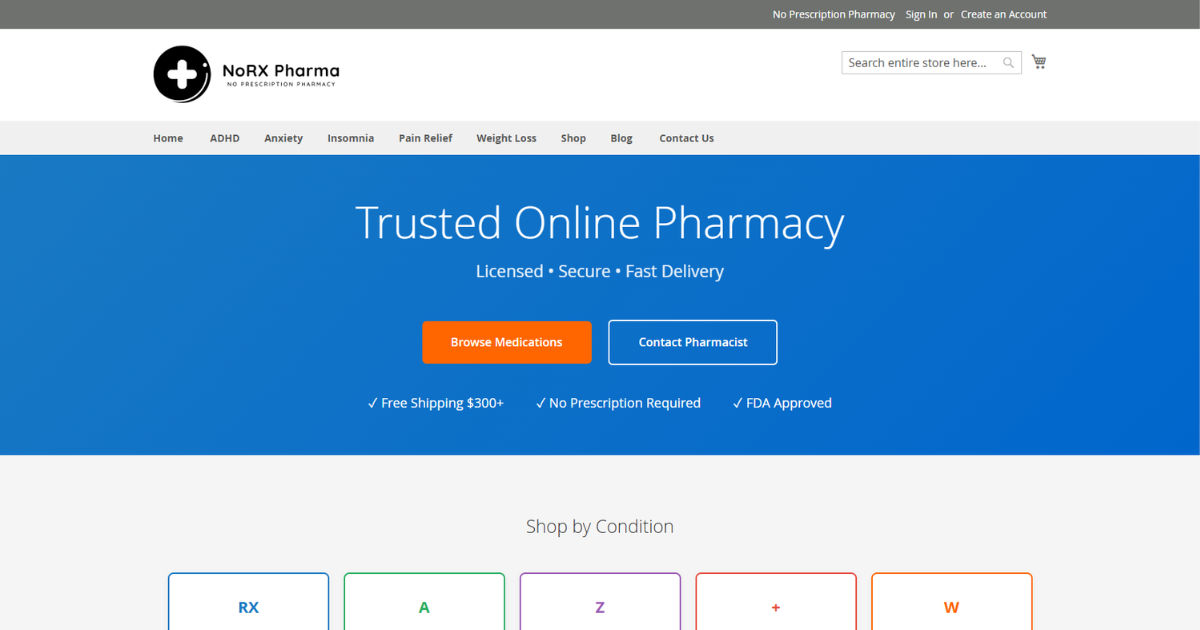
In today’s digital world, buying products online has become normal. From clothes to groceries, everything is just a click away. Medications are no different.
However, medicine is not like other products. It affects your body, your health, and your safety. That is why understanding the legal risks connected to No RX Pharmacy platforms is so important.
This comprehensive guide explains what these services are, why they can be risky, and how online buyers can protect themselves. By the end, you will clearly understand why legal risks matter and how to make safer decisions.
Understanding What No RX Pharmacy Means
The phrase No RX Pharmacy refers to an online pharmacy that sells prescription medications without requiring a valid prescription from a licensed healthcare provider. In a traditional pharmacy, doctors evaluate your health and write a prescription if a medication is necessary. Pharmacists then verify and dispense the drug safely.
In contrast, a No RX Pharmacy allows customers to order medications directly, often by simply filling out a short online form. Many buyers believe that using a No RX Pharmacy is harmless, especially if they have taken the medication before. However, skipping the prescription process removes an important layer of medical and legal protection.
Prescription requirements exist for a reason. They ensure that medications are used safely, in the correct dose, and for the right medical condition. When this step is ignored, both health and legal risks increase.
The Legal Framework Behind Prescription Medications
Governments around the world regulate prescription drugs carefully. These regulations are designed to protect public health. Medications must be tested for safety and effectiveness before they are approved for sale. Doctors must be licensed, and pharmacies must follow strict rules.
When a No RX Pharmacy ignores these laws, it may be operating illegally. Selling prescription medication without verifying a prescription often violates national drug laws. Even if a No RX Pharmacy operates from another country, it can still break the laws of the country where the buyer lives.
For example, importing certain prescription drugs without proper authorization can lead to customs seizures, fines, or even criminal charges. Many people do not realize that clicking “buy now” can involve complex legal issues.
Why Online Buyers Should Care About Legal Risks
Some people think that only the owner of an illegal pharmacy faces legal trouble. However, buyers who purchase from a No RX Pharmacy can also face consequences. Laws in many countries make it illegal to import or possess certain medications without a prescription.
In certain cases, ordering from a No RX Pharmacy may result in your package being stopped at the border. Customs authorities may send a warning letter. Repeated violations can lead to fines.
Using a No RX Pharmacy can also create problems with insurance providers. If your insurer finds out that you purchased medication from an unlicensed source, they may refuse to cover related medical costs. This can leave you paying large bills on your own.
Legal risks are not just about punishment. They also affect your financial stability, medical coverage, and long-term record.
Common Legal Risks Associated with No RX Pharmacy
Importation Violations
Many No RX Pharmacy websites ship medications from overseas. While this may lower costs, it increases legal risk. Countries often have strict rules about importing prescription drugs.
If a No RX Pharmacy sends drugs that are not approved in your country, customs officials may confiscate the package. In some situations, you could receive a legal notice explaining that you violated importation laws.
Even if you were unaware of the law, ignorance is not always accepted as a defense. Buyers are responsible for understanding what they purchase.
Counterfeit and Unapproved Drugs
A serious concern with any No RX Pharmacy is the risk of counterfeit medications. Counterfeit drugs may look real but contain incorrect ingredients or harmful substances.
When buyers choose a No RX Pharmacy, they often do not know where the drugs were manufactured. If the medication is not approved by health authorities, possessing or distributing it may also violate the law.
Selling counterfeit drugs is a criminal offense in many countries. While buyers are usually not charged with distribution, purchasing such products can still place them in a legally uncertain situation.
Privacy and Data Security Risks
Some No RX Pharmacy platforms operate without proper business registration. Because of this, they may not follow data protection laws.
Because a No RX Pharmacy may not follow strict privacy standards, your personal and medical information could be exposed. If your data is misused, you may have limited legal options for protection or compensation.
Health information is sensitive. Sharing it with an unregulated website increases both legal and personal risk.
Financial Fraud
Scam operations sometimes disguise themselves as a No RX Pharmacy. They may take your money without sending any medication at all.
Once a buyer shares payment information with a No RX Pharmacy, it can be difficult to recover stolen funds. In some cases, these websites disappear quickly, making legal action nearly impossible.
Financial fraud connected to illegal pharmacies is a growing global issue. Buyers often have little protection when dealing with unlicensed sellers.
Health Risks Linked to Legal Concerns
Legal issues are closely connected to health risks. Prescription laws are designed to prevent harm. When a No RX Pharmacy sells medication without a doctor’s review, it removes medical supervision.
When a No RX Pharmacy sells medication without checking your medical history, dangerous drug interactions can occur. Some drugs should never be combined. Others require dosage adjustments based on age, weight, or medical conditions.
A No RX Pharmacy may also provide incorrect dosages. Too much medication can cause overdose. Too little may not treat the condition properly.
In some cases, a No RX Pharmacy might distribute drugs that have expired or been stored incorrectly. Improper storage can reduce effectiveness or create safety issues.
Health complications caused by unsafe medications may lead to hospital visits, additional costs, and long-term damage. These outcomes show why legal protections exist.
Why Regulations Exist in the First Place
It can be frustrating to schedule doctor appointments and pay for prescriptions. However, these steps protect patients.
Governments require prescriptions to ensure that medications are necessary and safe. Doctors evaluate symptoms and consider medical history. Pharmacists double-check dosage and instructions.
A No RX Pharmacy bypasses these protections. Without proper oversight, a No RX Pharmacy can operate without quality control, medical review, or accountability.
Regulations also create traceability. If a drug batch is defective, authorities can track and recall it. Unregulated sellers may not provide this protection.
Understanding the purpose behind regulations helps explain why legal risks are taken seriously.
Signs That an Online Pharmacy May Be Operating Illegally
It is important to recognize warning signs before making a purchase.
One major red flag is the promotion of a No RX Pharmacy model that guarantees prescription drugs without any medical evaluation. Legitimate pharmacies always require valid prescriptions for controlled medications.
Another warning sign is when a No RX Pharmacy does not list a physical address or phone number. Transparent businesses provide clear contact information.
If a No RX Pharmacy offers prices that seem too good to be true, caution is necessary. Extremely low prices can signal counterfeit or stolen drugs.
Finally, a No RX Pharmacy that refuses to answer questions about licensing or regulation should be avoided. Licensed pharmacies are proud to display their credentials.
Being aware of these warning signs can reduce legal and health risks.
The Role of Government and Regulatory Agencies
Government agencies work to shut down illegal pharmacies and protect consumers. They monitor online activity, investigate suspicious websites, and cooperate internationally.
When authorities identify a No RX Pharmacy operating illegally, they may block the website, freeze financial accounts, or file criminal charges against operators.
However, shutting down a No RX Pharmacy can be challenging. Many websites move to new domains quickly. Others operate from countries with weak enforcement laws.
Because of these challenges, personal responsibility becomes even more important. Buyers must make careful choices.
International Risks and Cross-Border Issues
The internet allows a No RX Pharmacy to reach customers around the world. This creates complex legal situations.
A No RX Pharmacy based overseas may not follow the same safety standards as your home country. Even if it claims to be legal where it operates, importing its products may violate your national laws.
If a shipment from a No RX Pharmacy is seized at the border, you may lose both the medication and the money you paid.
Cross-border purchases also make it harder to resolve disputes. Different legal systems can limit your ability to take action.
Understanding international risks helps buyers think beyond short-term savings.
Ethical Considerations for Buyers
Beyond legal penalties, there are ethical questions involved.
Choosing a No RX Pharmacy can support businesses that ignore patient safety and legal standards. These operations may exploit people who cannot afford healthcare.
When consumers repeatedly use a No RX Pharmacy, they increase demand for unregulated drugs. This can weaken the healthcare system and encourage illegal trade.
Making ethical decisions supports safer communities. Responsible buying protects not only you but also others.
Safer Alternatives to No RX Pharmacy
Instead of turning to a No RX Pharmacy, buyers should consider licensed online pharmacies. Many legitimate pharmacies now offer telehealth services. Patients can consult licensed doctors online and receive valid prescriptions.
Using a verified service rather than a No RX Pharmacy protects your health, finances, and legal standing. Look for certification from recognized pharmacy boards or regulatory agencies.
You can also discuss generic medication options with your doctor. Generic drugs are often more affordable and legally approved.
Patient assistance programs and discount cards may reduce costs without breaking the law.
How to Protect Yourself When Buying Medication Online
First, avoid any website that clearly advertises itself as a No RX Pharmacy. This is one of the simplest ways to reduce risk.
Second, verify licensing information. Check whether the pharmacy is registered with national authorities.
Third, consult a healthcare professional before starting any new medication. Medical advice protects your health and supports legal compliance.
Fourth, protect your personal data. Use secure websites and avoid sharing unnecessary information.
Finally, educate yourself about your country’s drug importation laws. Understanding the rules helps you make informed decisions.
Conclusion
The convenience of online shopping has changed the way we access many products, including medications. However, medicine is not an ordinary product. It affects your body, your safety, and your future.
Services that promote easy access without prescriptions may seem appealing. Yet the legal risks connected to these platforms are serious. Buyers can face package seizures, financial losses, insurance issues, and potential legal consequences. Health risks such as counterfeit drugs, wrong dosages, and unsafe ingredients make the situation even more concerning.
Laws regulating prescription medications are designed to protect the public. They ensure that drugs are tested, doctors are qualified, and pharmacies are accountable. Ignoring these safeguards can lead to harm.
By understanding the risks, recognizing warning signs, and choosing licensed providers, online buyers can protect themselves. Convenience should never replace safety and legality.