
In today’s digital world, understanding how mobile services work is becoming increasingly important. One common question people ask is whether a Sim Database can reveal the owner’s name. Many users wonder if it is possible to identify the person behind a mobile number through official or unofficial databases.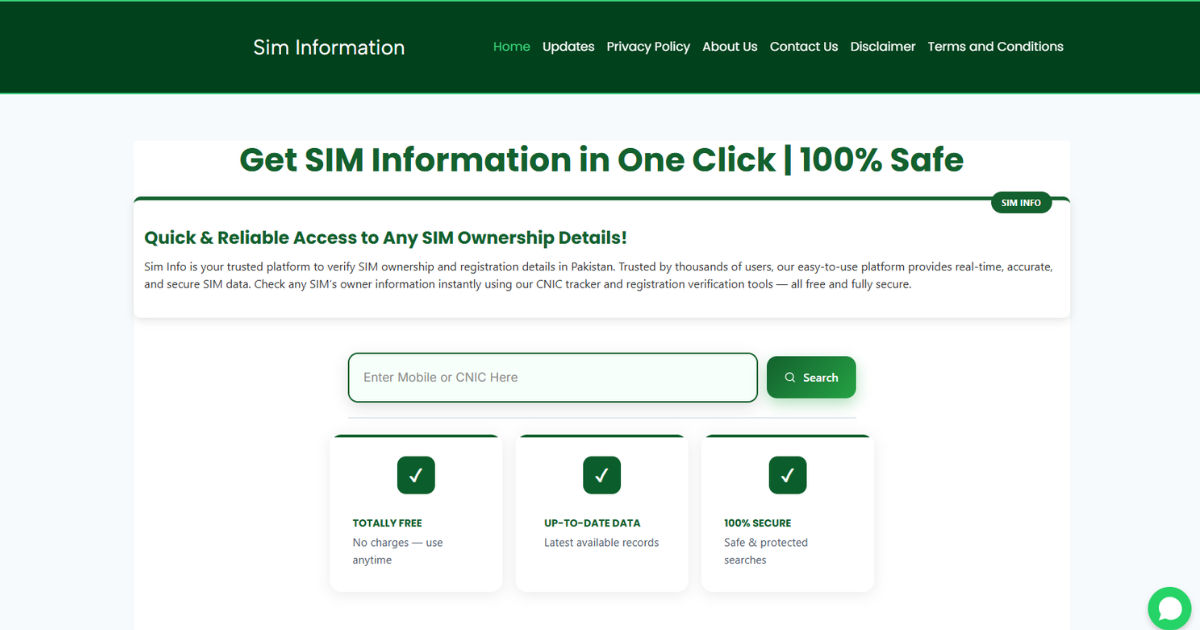
This guide will provide a comprehensive overview of what a Sim Database is, how it functions, and the legal and practical aspects of accessing personal information, including the owner’s name.
A Sim Database is a repository that contains information about mobile SIM cards, including registration details, mobile number, service provider, and sometimes the subscriber’s personal information. Mobile operators maintain these databases to manage and authenticate users, prevent fraud, and comply with government regulations.
The question is whether this information is accessible to the public or can be used to track the owner of a mobile number.
This guide aims to provide you with a complete understanding of SIM databases, their capabilities, limitations, and ethical considerations. We will also discuss practical scenarios, legal restrictions, and how privacy is maintained for mobile users.
What is a Sim Database?
A Sim Database is essentially a digital record system that stores detailed information about mobile subscribers. When you purchase a SIM card, mobile service providers require you to provide identification documents, such as a national ID, passport, or driver’s license. This information is then stored in the Sim Database.
The primary functions of a Sim Database include:
-
Subscriber Management: Keeping track of active mobile users and their subscription plans.
-
Security and Fraud Prevention: Detecting unauthorized SIM usage or cloning.
-
Regulatory Compliance: Providing authorities with data in case of legal investigations.
It’s important to understand that while the Sim Database holds personal information, access to this data is heavily restricted due to privacy laws and security policies. Not all users, websites, or apps claiming to show SIM owner details can actually access this database legally.
How SIM Registration Works
In most countries, SIM cards are registered using the subscriber’s personal information. The process generally involves:
-
Identity Verification: You provide a valid government-issued ID.
-
Data Entry: The operator enters your information into the Sim Database.
-
Activation: Once verified, your SIM is activated, linking your mobile number to your identity.
Because of this process, mobile numbers in the Sim Database are linked to specific individuals. This makes SIM registration a critical tool for security, communication, and legal compliance.
Can a Sim Database Show Owner Name?
Technically, a Sim Database contains the owner’s name, but accessing it is not straightforward. The owner’s name and personal information are considered private and protected under telecommunications privacy laws in most countries. Mobile operators are legally obligated to keep this data confidential.
Legal Access
Government agencies, law enforcement, and regulatory bodies can access the Sim Database during investigations. For example:
-
If a person is involved in criminal activity, police may request subscriber details from the operator.
-
Regulatory authorities may audit operators for compliance with SIM registration laws.
For regular users, there is no legal way to directly access the owner’s name from the Sim Database. Any website or app claiming to provide this service without proper authorization is likely violating privacy laws.
Third-Party Apps and Services
Some online platforms claim to provide SIM owner information. These tools may attempt to use:
-
Reverse phone lookup: Searching publicly available data associated with a phone number.
-
Social media links: Matching numbers with profiles on platforms like WhatsApp or Facebook.
However, these methods do not access the official Sim Database. Instead, they rely on secondary sources, which are often incomplete or inaccurate.
Types of Information Stored in a Sim Database
A Sim Database contains multiple data points about each subscriber. This may include:
-
Personal Information: Name, address, ID number.
-
SIM Details: SIM number, mobile number, service provider, and activation date.
-
Usage Records: Call logs, SMS records, and data usage history (in some cases).
-
Device Information: IMEI number of the phone linked to the SIM.
It is crucial to note that this information is not publicly accessible and is protected under strict privacy regulations. Mobile operators cannot disclose it without proper legal authorization.
Why People Want SIM Owner Details
Many users are curious about the owner of a mobile number for various reasons, including:
-
Unknown Calls or Messages: Identifying spam, scam, or prank callers.
-
Personal Safety: Checking the authenticity of someone contacting them.
-
Business Purposes: Verifying client or customer contact information.
While these reasons are valid, it is important to use legal methods to obtain information rather than trying to bypass SIM database restrictions.
Legal and Ethical Considerations
Accessing a Sim Database to reveal personal information without authorization is illegal in most countries. Unauthorized access can lead to severe penalties, including fines and imprisonment. Ethical considerations also come into play, as privacy is a fundamental right for all mobile users.
Laws Protecting SIM Information
-
Telecommunications Act: Most countries have laws preventing unauthorized access to subscriber information.
-
Data Protection Regulations: Regulations like GDPR (in Europe) protect personal data, including mobile subscriber information.
-
Cybercrime Laws: Hacking into databases to retrieve personal details is considered a criminal offense.
Therefore, anyone seeking SIM owner information should use legal channels and avoid relying on unauthorized websites or apps.
How to Legally Identify a SIM Owner
While you cannot access the Sim Database directly, there are legal methods to identify the owner of a mobile number:
Contact the Service Provider
-
You can contact the mobile operator for assistance.
-
In some cases, if the number is involved in harassment or fraud, they may coordinate with law enforcement.
Law Enforcement Assistance
-
Filing a police report is a legal way to trace the owner of a SIM.
-
Authorities can request data from the Sim Database through official channels.
Reverse Lookup Services
-
Some countries provide legal reverse lookup services that may provide limited information.
-
These services use public records and are not the same as accessing the official Sim Database.
Risks of Using Unofficial SIM Lookup Tools
Many websites claim to reveal SIM owners, but these tools carry significant risks:
-
Privacy Violations: They may illegally access personal data.
-
Inaccuracy: Information is often outdated or incorrect.
-
Malware Threats: Some tools may install harmful software on your device.
-
Legal Trouble: Using such services can make you complicit in violating privacy laws.
It is always safer to rely on legal methods rather than risking unauthorized access.
The Role of Mobile Operators in Privacy
Mobile operators play a crucial role in protecting subscriber information stored in the Sim Database. Their responsibilities include:
-
Data Encryption: Ensuring personal details are stored securely.
-
Access Control: Limiting access to authorized personnel only.
-
Compliance Audits: Regularly auditing systems for security and regulatory compliance.
Operators are legally obligated to safeguard user information and ensure that it is not disclosed without proper authorization.
Practical Scenarios: When SIM Owner Name Can Be Accessed
Here are some real-world scenarios where accessing a SIM owner’s name is possible:
Criminal Investigations
Law enforcement can request details from the Sim Database during investigations related to fraud, harassment, or other criminal activities. Operators are legally required to provide accurate information.
Lost and Found Devices
In cases of lost phones, the operator may assist in contacting the owner if the SIM is active. This ensures the phone can be returned safely.
Regulatory Audits
Government authorities may require operators to provide subscriber details during audits to ensure proper registration and compliance with telecommunications laws.
SIM Database vs Public Reverse Lookup
It is important to distinguish between the official Sim Database and public reverse lookup services:
| Feature | Sim Database | Public Reverse Lookup |
|---|---|---|
| Ownership | Mobile Operator | Third-party service |
| Accuracy | High | Low to medium |
| Legal Access | Restricted to authorities | Public but limited |
| Data Included | Full subscriber info | Limited, often just name or location |
| Security | Highly secured | Varies, may be unsafe |
The official Sim Database is much more reliable but inaccessible to ordinary users, while public tools provide limited information at the cost of accuracy and security.
How to Protect Your SIM Information
Since SIM databases hold sensitive data, it is important for users to protect their personal information:
-
Do Not Share SIM Details: Avoid sharing your SIM number or registration documents online.
-
Use Strong Passwords: For SIM-related services and accounts.
-
Report Lost or Stolen SIMs: Immediately notify the operator to prevent misuse.
-
Beware of Scams: Do not trust websites claiming to show SIM owner names without authorization.
These practices ensure your personal information remains safe from unauthorized access.
Common Misconceptions About SIM Databases
There are several myths surrounding SIM databases:
-
“I can find anyone’s name online using SIM number.”
-
False. Official databases are restricted, and unauthorized tools are unreliable.
-
-
“All SIM info is public.”
-
Incorrect. Privacy laws prevent disclosure of subscriber data without legal authorization.
-
-
“SIM registration guarantees anonymity.”
-
Partially true. While the database is secure, authorities can access it legally when needed.
-
Understanding these facts helps users make informed decisions about SIM security and privacy.
Conclusion
A Sim Database is a powerful tool that contains critical information about mobile subscribers, including the owner’s name, address, and identification details. While it is technically possible to find the owner’s name through a SIM database, legal and ethical restrictions prevent public access. Mobile operators maintain these databases to ensure security, prevent fraud, and comply with government regulations.
For ordinary users, the only legitimate ways to identify a SIM owner are through law enforcement, authorized reverse lookup services, or coordination with the mobile operator in case of harassment, fraud, or lost devices. Relying on unofficial tools can be risky, illegal, and often inaccurate.
Protecting your personal information and understanding the limitations of SIM databases are essential in today’s digital age. By respecting privacy laws and using authorized channels, users can safely navigate the world of mobile communications while ensuring their data remains secure.
The bottom line is, a Sim Database can technically show the owner’s name, but accessing this information is heavily regulated and should always be approached legally. Misuse or unauthorized access can lead to serious legal consequences, while legal avenues exist for legitimate needs like safety, fraud prevention, and lost devices.