
Electricity powers almost every aspect of our daily life. From lighting to appliances, computers, and even your favorite gaming console, all rely on a properly installed electrical system.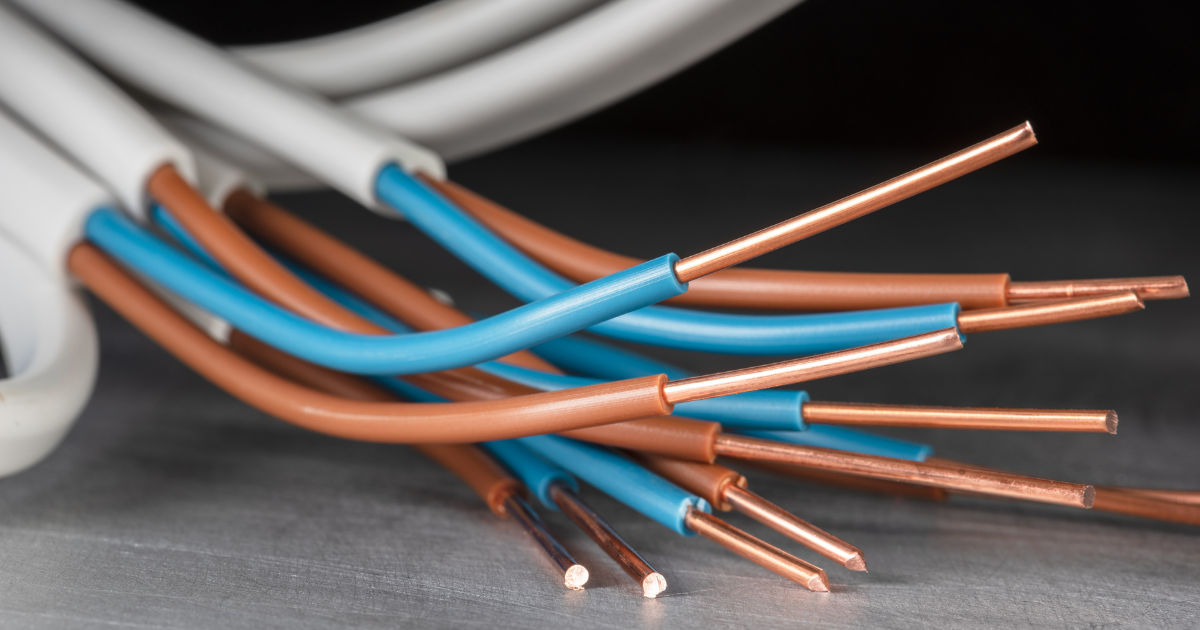
Understanding how an electrical wiring system works at home not only helps you use electricity safely but also ensures your home runs efficiently.
When installing or upgrading electrical wiring, using quality materials from a trusted AGE Cables Supplier can make all the difference in reliability and safety.
In this comprehensive guide, we will explore every aspect of home electrical wiring, from the main components to safety precautions. By the end, you will have a clear understanding of how electricity flows through your home and why quality matters.
Basics of Electricity in Homes
Before diving into wiring systems, it is essential to understand the basics of electricity. Electricity is the flow of electrical current through a conductor, usually copper or aluminum wires. This flow powers the devices and appliances we use every day.
In a home, electricity usually enters through a main service panel, which distributes power to various circuits. The electricity supplied to your home is alternating current (AC), which means it changes direction periodically. AC is ideal for homes because it can be easily transformed to different voltages and travels efficiently over long distances.
Components of a Home Electrical Wiring System
A home electrical wiring system is made up of several key components. Each plays a critical role in ensuring the safe and efficient distribution of electricity. Let’s break them down.
Main Service Panel (Circuit Breaker Box)
The main service panel, often called a breaker box, is the heart of your home’s electrical system. It receives electricity from the utility company and distributes it to different circuits throughout your home. The panel contains circuit breakers that protect your wiring from overloads or short circuits. Without a properly functioning panel, your electrical system could become hazardous.
Electrical Circuits
A circuit is a path through which electricity flows from the service panel to outlets, lights, or appliances. Homes usually have multiple circuits to separate high-power appliances like ovens and air conditioners from everyday outlets and lighting. This separation prevents overloading and keeps your electrical system stable.
Wiring
Wires carry electrical current from the panel to outlets, switches, and appliances. Most modern homes use copper wires due to their excellent conductivity and durability. The wires are usually insulated to prevent accidents and are color-coded: black or red for hot wires, white for neutral, and green or bare for grounding.
Outlets and Switches
Outlets and switches are the user interface of your electrical system. Outlets provide power to plug in appliances, while switches control the flow of electricity to lights or devices. Both are connected to circuits through proper wiring.
Grounding System
Grounding is a critical safety feature in home wiring. It provides a safe path for electricity to follow in case of a short circuit. This prevents electric shocks and reduces the risk of fire. Ground wires are typically green or bare and connect to metal rods driven into the earth or other grounding points.
How Electricity Flows in a Home
Understanding how electricity travels helps to grasp the importance of each component in the wiring system. Electricity flows from the utility company’s power lines into your home through the main service panel. From there, circuit breakers distribute the electricity to various circuits.
Each circuit carries electricity to outlets, switches, or appliances. When a device is turned on, the electricity flows through the hot wire, passes through the appliance, and returns via the neutral wire. If something goes wrong, like a short circuit, the circuit breaker trips to cut off the flow of electricity, protecting your home.
Types of Electrical Wiring in Homes
Home wiring has evolved over the years. Different types of wiring are used depending on the age of the building, local codes, and specific electrical needs.
Non-Metallic Sheathed Cable (NM Cable)
NM cable, often called Romex, is the most common type of wiring used in modern homes. It consists of two or more insulated conductors and a bare ground wire, all wrapped in a plastic sheath. NM cables are easy to install and suitable for dry indoor locations.
Armored Cable (AC)
AC wiring is covered with a flexible metal sheath, offering extra protection against physical damage. This type of wiring is often used in areas where cables may be exposed or prone to damage.
Conduit Wiring
Conduit wiring involves running wires through metal or PVC pipes. This provides maximum protection and is common in commercial buildings, basements, or outdoor installations. Conduits also make it easier to replace or upgrade wiring later.
Underground Wiring
Some homes receive electricity through underground cables. These are buried for safety and aesthetics, but the wiring inside the home functions the same as other types.
Understanding Circuit Breakers
Circuit breakers are one of the most important safety devices in a home. Each breaker is designed to protect a specific circuit. If the current flowing through the circuit exceeds the rated limit, the breaker automatically trips, cutting off electricity to prevent damage or fire.
There are different types of breakers:
-
Standard Circuit Breakers: Protect lighting and general outlets.
-
GFCI (Ground Fault Circuit Interrupters): Protect areas near water, like kitchens and bathrooms, from electric shocks.
-
AFCI (Arc Fault Circuit Interrupters): Detect sparks in wires that could cause fires and shut off power immediately.
Importance of Proper Wire Sizing
The size of electrical wires determines how much current they can safely carry. Using wires that are too small for a high-power appliance can cause overheating and even fires. For example, a 15-amp circuit should use 14-gauge wire, while a 20-amp circuit requires 12-gauge wire. Quality wires from a trusted AGE Cables Supplier ensure your wiring can handle your home’s electrical load safely.
Electrical Outlets and Switches Explained
Outlets and switches are the points where electricity meets your daily life. Outlets allow you to plug in devices and appliances, while switches control the flow of electricity to lights or equipment.
Modern outlets often include safety features:
-
Tamper-Resistant Outlets: Protect children from inserting objects into live outlets.
-
USB Outlets: Combine standard power with USB charging ports for convenience.
-
Smart Outlets: Allow remote control via mobile devices or smart home systems.
Switches also come in various forms, including traditional toggle, rocker, dimmer, and motion-sensor switches. Proper installation ensures they work reliably and safely.
Electrical Safety at Home
Safety is the most critical aspect of any electrical system. Following proper wiring practices and using quality materials can prevent accidents. Key safety measures include:
-
Avoid Overloading Outlets: Plugging too many devices into one outlet can overheat wires.
-
Use Circuit Breakers: Ensure your system is equipped with functioning breakers and fuses.
-
Ground Your System: Proper grounding prevents electric shocks.
-
Inspect Wiring Regularly: Look for frayed wires, loose connections, or signs of overheating.
-
Use Quality Materials: Purchase cables and switches from a reliable AGE Cables Supplier to guarantee durability.
Signs of Electrical Problems in Your Home
Electrical problems can start small but lead to serious hazards if ignored. Common signs include:
-
Flickering or dimming lights
-
Frequent circuit breaker trips
-
Buzzing sounds from outlets or switches
-
Warm or discolored outlets
-
Burning smells near wiring
If you notice any of these, it is crucial to consult a licensed electrician immediately.
Benefits of Using Quality Electrical Materials
The quality of electrical components directly impacts safety, efficiency, and longevity. Using high-quality materials from a reputable AGE Cables Supplier ensures:
-
Reliable current flow
-
Reduced risk of electrical fires
-
Long-lasting performance
-
Compliance with safety codes
Cheap or substandard cables may save money upfront but increase the risk of hazards and future repair costs.
Step-by-Step Overview of Home Wiring Installation
Installing home wiring is a complex task best performed by professionals. However, understanding the general steps can help you plan your system:
-
Design Your Electrical Layout: Determine where outlets, switches, and appliances will go.
-
Install the Main Service Panel: Connect to the utility supply and set up circuit breakers.
-
Run Wiring: Pull wires through walls, ceilings, and conduits to reach outlets, switches, and appliances.
-
Install Outlets and Switches: Connect wires carefully according to color codes.
-
Connect Lighting Fixtures and Appliances: Ensure proper connections and grounding.
-
Test the System: Verify that all circuits work and breakers function correctly.
-
Final Inspection: A certified electrician should inspect and approve the system for safety compliance.
Tips for Maintaining Your Home Electrical System
Regular maintenance keeps your electrical system safe and efficient:
-
Test circuit breakers and GFCI outlets periodically.
-
Keep outlets and switches clean and free from dust.
-
Replace damaged or frayed wiring immediately.
-
Upgrade old wiring to meet modern electrical demands.
-
Avoid DIY repairs if you’re unsure—hire a licensed electrician.
Conclusion
A home’s electrical wiring system is a complex network that brings electricity from the utility company to your devices safely. Understanding the components, flow, types of wiring, and safety measures is essential for every homeowner. Using high-quality materials, such as those provided by a trusted AGE Cables Supplier, ensures reliability, safety, and long-term performance.
From circuit breakers to outlets, wires, and grounding systems, every element plays a vital role. Proper design, installation, and maintenance keep your home safe, prevent fire hazards, and provide uninterrupted power for daily life.
Investing in quality wiring and components not only protects your home but also adds value and efficiency. Whether you are building a new home or upgrading an older system, understanding how home wiring works empowers you to make informed decisions, keep your family safe, and enjoy the conveniences of modern electricity.