
Packaging is often the first physical interaction a customer has with a product. Before reading the product description or trying what is inside, people usually notice the package, its colors, shape, typography, images, and overall presentation. This is why Packaging Design Services play an important role in building a strong and recognizable brand.
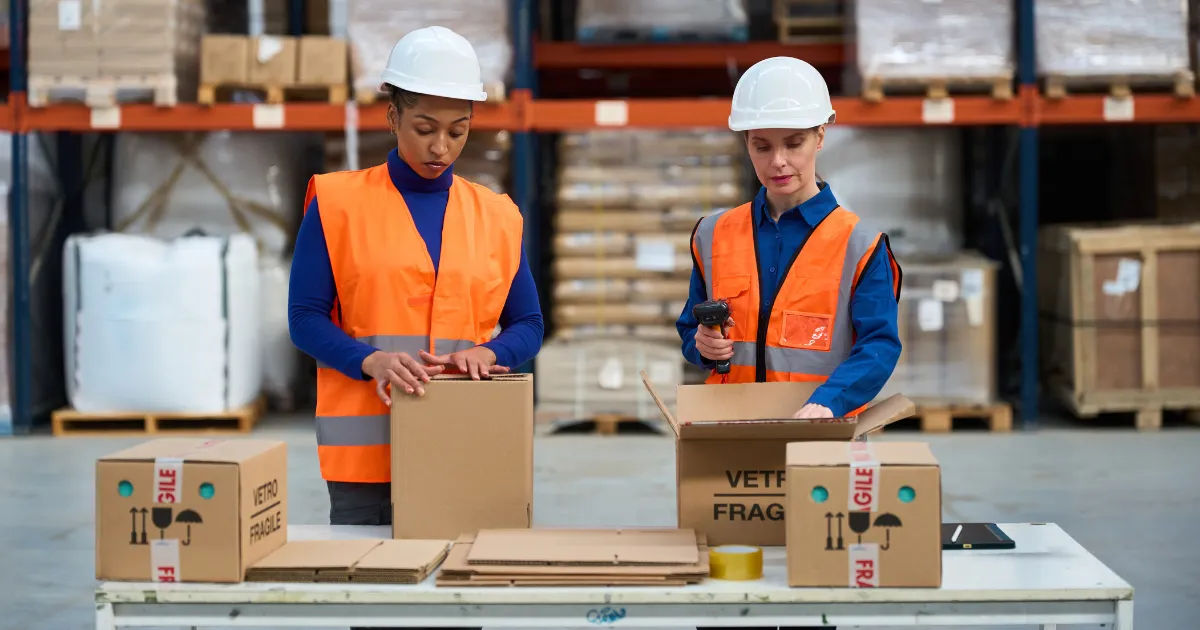
Good packaging does more than protect a product. It communicates what a company stands for, creates a specific impression, and helps customers remember the brand. When packaging is designed carefully, it can make an ordinary product look more professional, attractive, and trustworthy.
In competitive markets, businesses need more than a good product to attract attention. They also need a visual identity that makes customers recognize them quickly. Effective packaging can become an important part of that identity and influence how customers feel about a business.
What Is Packaging Design?
Packaging design is the process of creating the visual and functional appearance of a product's packaging. It can include the package shape, materials, colors, fonts, illustrations, photographs, logos, product information, and other visual elements.
The purpose is not simply to make a package attractive. Good design should also make the product easy to understand, use, identify, and remember.
For example, a food company may use bright colors and appealing product images to create an energetic and enjoyable feeling. A luxury skincare brand may use simple typography, elegant colors, and premium materials to communicate sophistication.
Every design choice can influence how customers perceive the product.
How Packaging Strengthens Brand Identity
Brand identity is the visual and emotional representation of a business. It includes elements such as the logo, colors, typography, imagery, messaging, and overall style.
Packaging gives a company an opportunity to apply these elements directly to its products.
Creates Visual Consistency
A strong brand should look consistent across different products and marketing channels. When packaging follows the same visual language as a company's website, advertisements, social media pages, and other materials, customers can recognize the brand more easily.
For example, a company might use the same logo, color palette, and typography across its product boxes and online advertisements. This creates a connected brand experience.
Consistency can make a business appear more organized and professional.
Makes the Brand Recognizable
Customers see thousands of products in stores and online. A distinctive package can help a product stand out from competitors.
Unique colors, shapes, illustrations, or typography can create visual cues that customers associate with a particular company.
Over time, customers may recognize a product even before reading the brand name. This type of recognition is valuable because it can make a business easier to remember.
How Packaging Creates a Strong First Impression
First impressions can influence purchasing decisions. A customer who sees an attractive and professionally designed package may immediately develop a more positive opinion of the product.
Packaging Design Services help businesses create packaging that communicates the right message at first glance.
For example, a clean and modern package may suggest simplicity and quality. A colorful package may communicate energy and creativity. A natural-looking package may appeal to customers interested in organic or environmentally conscious products.
The design should match the product and the expectations of its target audience.
Communicates Product Quality
Customers often use packaging as a visual clue when judging quality.
If a package looks carefully designed, customers may assume that the company also pays attention to the quality of its products.
On the other hand, confusing layouts, poor images, spelling mistakes, or low-quality printing can make a product appear less reliable.
Professional packaging does not guarantee product quality, but it can strongly influence the customer's initial perception.
Builds Emotional Connections
Successful brands often create emotional connections with their customers. Packaging can support this process through colors, images, messages, and visual storytelling.
A children's product, for example, may use playful illustrations and bright colors. A premium chocolate brand may use sophisticated graphics and elegant packaging.
When customers connect emotionally with a package, they may be more likely to remember the product and develop a preference for the brand.
Packaging Helps a Product Stand Out
Competition is one of the biggest challenges businesses face. Customers may find dozens of similar products on the same shelf or marketplace.
Packaging provides a valuable opportunity to differentiate one product from another.
Uses Color Strategically
Color is one of the first elements people notice. Different colors can create different feelings and associations.
Blue can communicate reliability or calmness. Green is often associated with nature and freshness. Black can create a premium or sophisticated appearance, while bright colors can communicate energy.
However, businesses should not choose colors based only on general meanings. The color scheme should also match the brand's personality, target audience, industry, and competitors.
Uses Typography Effectively
Typography affects both appearance and readability.
A package may look attractive, but if customers cannot easily read the product name or important information, the design has failed to communicate effectively.
Professional designers select fonts that support the brand personality while keeping important information easy to understand.
Typography can also help create a recognizable visual style.
Creates Distinctive Shapes and Structures
Packaging does not always need to be a standard box or bottle. A distinctive structure can help a product become more noticeable.
Unique packaging shapes can create a memorable experience, especially for products displayed in physical stores.
However, creativity should not reduce practicality. The package still needs to protect the product, remain functional, and be reasonably easy to store and transport.
How Packaging Builds Customer Trust
Trust is an important part of branding. Customers are more likely to purchase products from companies they consider reliable.
Professional Packaging Design Services can help communicate reliability by organizing information clearly and presenting the brand consistently.
Important details such as ingredients, instructions, product benefits, warnings, company information, and usage directions should be easy to find.
Clear communication can make customers feel more confident about their purchase.
Gives the Brand a Professional Appearance
Professional presentation can influence how customers judge a business.
A well-designed package suggests that the company has invested time and effort into its product. This can be especially important for newer businesses trying to compete with established brands.
Good packaging can help a small company appear more credible without pretending to be something it is not.
Supports Brand Transparency
Modern customers often want to know more about what they purchase. They may look for information about ingredients, materials, manufacturing, sustainability, or usage.
Packaging provides space for businesses to communicate these details.
When information is presented clearly and honestly, it can support stronger relationships between customers and brands.
Packaging Supports Marketing
Packaging itself can work as a marketing tool.
Unlike an advertisement that customers may see for only a few seconds, packaging can remain in a customer's home or office for weeks, months, or even longer.
This gives the brand additional opportunities to remain visible.
Encourages Brand Recall
A memorable package can help customers remember a product after they have seen it.
Suppose a customer purchases a product and later needs something similar. A recognizable package may help them remember the previous brand.
This can contribute to repeat purchases and stronger brand recall.
Supports Word-of-Mouth Marketing
Attractive or unusual packaging can encourage customers to talk about a product.
People may photograph interesting packages and share them on social media. They may also recommend products to friends because of their overall experience.
This means packaging can contribute to organic marketing without requiring a separate advertising campaign for every interaction.
How Packaging Influences Buying Decisions
Many purchasing decisions happen quickly. Customers may not have enough time to study every product in detail.
Packaging helps them understand the product at a glance.
The product name, category, main benefit, brand identity, and important features should be communicated in a clear visual hierarchy.
When the most important information is easy to find, customers can make decisions more efficiently.
Appeals to the Target Audience
Different customer groups respond to different visual styles.
Teenagers may respond differently to packaging than older professionals. A luxury customer may expect something different from a budget-conscious shopper.
Businesses should therefore design packaging around the needs and expectations of their target audience.
Understanding the audience helps designers select appropriate colors, language, imagery, materials, and layouts.
The Role of Storytelling in Packaging
A brand story explains what makes a business different. Packaging can communicate parts of this story through visual and written elements.
For example, a coffee company might use illustrations showing its farming origins. A handmade soap business might highlight natural ingredients and traditional production methods.
Storytelling makes packaging more meaningful than a simple collection of logos and product information.
Shows Brand Personality
Every brand has a personality.
Some brands want to appear friendly and casual. Others want to appear innovative, luxurious, traditional, adventurous, or environmentally responsible.
Packaging can communicate this personality without requiring a long explanation.
When the visual style matches the brand's personality, customers can develop a clearer understanding of what the company represents.
Packaging and Premium Branding
Businesses selling premium products often depend heavily on presentation.
Customers purchasing luxury products may expect packaging to feel special before they even use the product.
Premium materials, refined typography, minimal layouts, custom structures, and carefully selected finishes can contribute to this experience.
However, premium branding should not simply mean making packaging expensive. The design should create value that is appropriate for the product and its audience.
Packaging and Sustainable Branding
Environmental concerns have become increasingly important to many consumers.
Businesses can communicate their sustainability efforts through packaging choices such as recyclable materials, reduced packaging, reusable containers, or minimal designs.
Sustainable packaging can also become part of a company's brand identity.
However, businesses should avoid making environmental claims that cannot be supported. Honest communication is essential for maintaining customer trust.
How Professional Packaging Design Services Add Value
Designing effective packaging requires more than choosing attractive colors and placing a logo on a box.
Professional designers consider branding, customer behavior, product positioning, production requirements, shelf visibility, printing methods, and usability.
Packaging Design Services bring these areas together to create a package that supports both the product and the brand.
Research and Competitor Analysis
Before designing packaging, professionals may study competing products and the target market.
This research helps identify common design patterns and opportunities for differentiation.
Understanding competitors can prevent a brand from creating packaging that looks too similar to existing products.
Strategic Design Development
Professional design usually starts with a strategy rather than decoration.
Designers determine what the package should communicate and which elements should receive the most attention.
They can then create layouts that support the brand's objectives.
Production Considerations
A design must work in the real world.
Printing techniques, materials, package dimensions, folding methods, labels, finishes, and production costs can all affect the final result.
Professional designers consider these practical factors so the final packaging is attractive as well as functional.
Common Packaging Mistakes That Can Hurt Branding
Poor packaging can weaken an otherwise strong brand.
One common mistake is overcrowding the design with too much information. When every element demands attention, customers may struggle to identify the most important message.
Another problem is inconsistent branding. If every product uses completely different colors, fonts, or visual styles, customers may have difficulty connecting the products to the same company.
Poor readability is another issue. Small fonts, low contrast, or complicated layouts can make important information difficult to understand.
Businesses should also avoid copying competitors too closely. A brand needs a distinct identity to remain memorable.
How to Create Packaging That Supports a Brand
The best packaging begins with a clear understanding of the brand.
First, identify the company's personality and values. Next, define the target customer and understand what matters to that audience.
Then determine what makes the product different from competitors.
The package should communicate these differences visually and clearly.
Businesses should also test their designs before final production. Feedback from potential customers can reveal problems that the design team may not notice.
Testing can help determine whether customers understand the product, recognize the brand, and find the packaging appealing.
Measuring the Branding Impact of Packaging
Businesses can evaluate packaging performance in several ways.
Customer surveys can reveal whether people remember the design or understand its message.
Sales data can help identify whether packaging changes influence purchasing behavior.
Businesses can also monitor customer reviews, social media mentions, repeat purchases, and feedback from retailers.
The goal is not simply to create attractive packaging. The goal is to create packaging that contributes to stronger brand recognition, customer confidence, and business growth.
Future Trends in Packaging and Branding
Packaging continues to evolve as customer expectations change.
Personalization is becoming more important, allowing brands to create packaging experiences for specific audiences or occasions.
Technology is also creating new opportunities. QR codes and interactive elements can connect physical packaging with digital content such as product information, tutorials, loyalty programs, and brand stories.
Sustainable materials are another important area of development. Businesses are increasingly exploring ways to reduce waste while maintaining product protection and visual appeal.
These trends show that packaging is becoming an increasingly important part of the complete customer experience.
Conclusion
Packaging is much more than a container for a product. It is a communication tool that can influence how customers see, remember, and interact with a brand.
Well-planned Packaging Design Services can help businesses create a consistent visual identity, establish credibility, differentiate products, communicate value, and build stronger emotional connections with customers.
Effective packaging starts with understanding the brand and its audience. Colors, typography, images, materials, shapes, and written information should work together rather than compete for attention.
A strong package should also be practical. It needs to protect the product, provide useful information, and support the customer's experience from the moment they see it to the moment they use it.
In crowded markets, even a high-quality product can struggle if its presentation fails to attract attention. A thoughtful packaging strategy gives brands an opportunity to make a strong first impression and remain memorable long after the purchase.
Ultimately, packaging should represent what a company promises to deliver. When design, functionality, messaging, and brand identity work together, packaging becomes more than a visual feature. It becomes an important part of the brand itself.