
Choosing the right kitchen equipment can make everyday cooking easier, faster, and more enjoyable. Whether you prepare simple breakfasts, cook family dinners, or experiment with new recipes, having suitable tools can improve your experience. However, with so many products available, deciding which ones are worth purchasing can be challenging. Understanding your cooking habits, kitchen space, budget, and personal needs will help you make better decisions.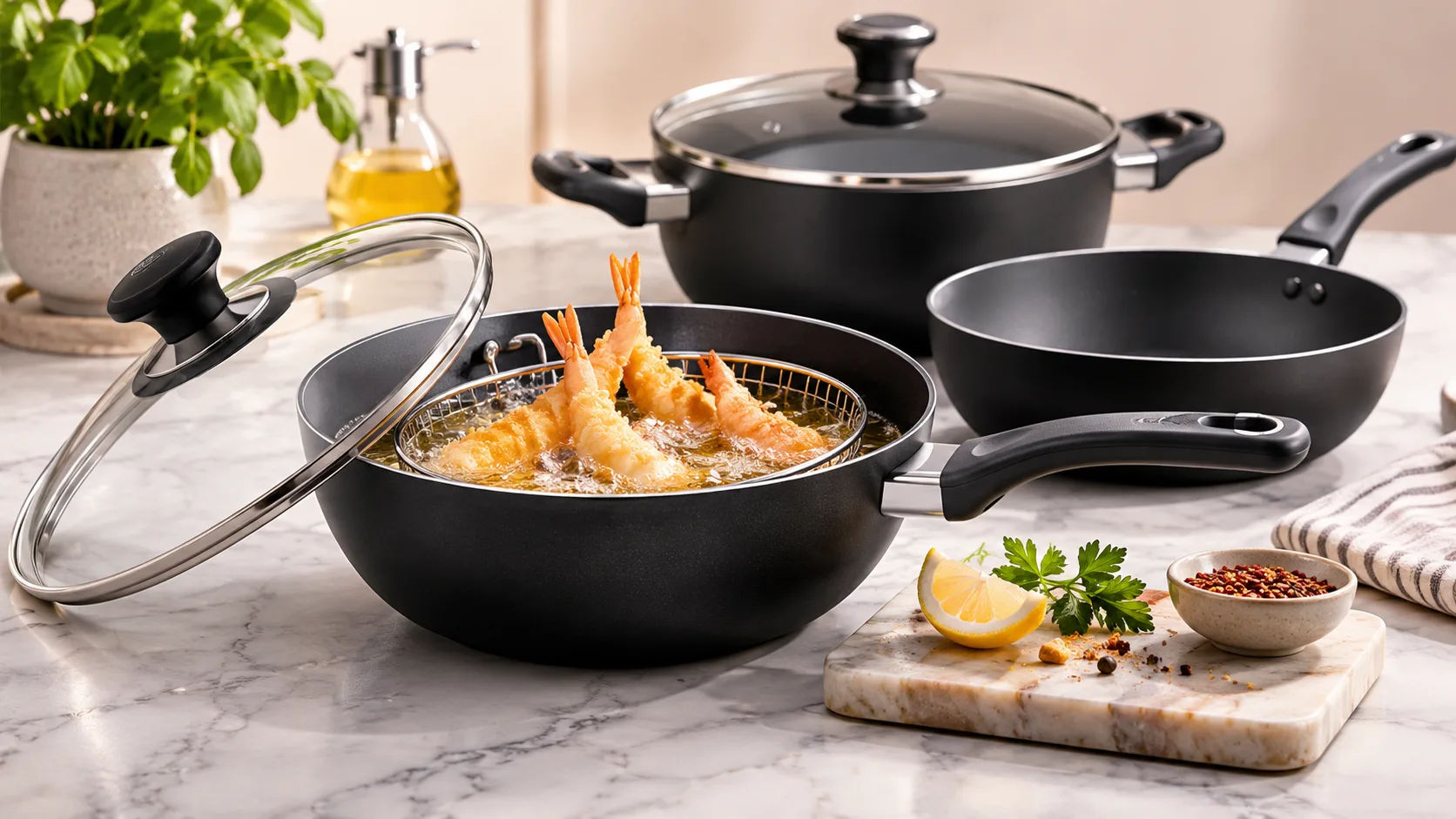
Modern kitchen gadgets are designed to simplify different cooking activities, from chopping vegetables and mixing ingredients to preparing healthy meals and cleaning up afterward. Some products offer several functions in one appliance, while others are created for specific tasks. The best choices are not necessarily the most expensive or technologically advanced options. Instead, they are the products that provide practical value and make your daily routine more convenient.
Before purchasing anything, consider how often you cook, which tasks take the most time, and what improvements you want to make in your kitchen. A thoughtful purchasing decision can help you avoid unnecessary expenses while building a useful collection of equipment. This comprehensive guide explains how to evaluate different products, compare their features, and select options that suit your lifestyle.
Your Cooking Needs
The first step in choosing suitable cooking equipment is understanding your everyday requirements. Every household has different cooking habits, and the products that work well for one family may not be necessary for another.
For example, someone who prepares fresh meals every day might benefit from a food processor, vegetable chopper, or electric blender. On the other hand, someone who cooks occasionally may only need a few basic tools.
Consider Your Daily Cooking Routine
Think about the meals you prepare most frequently. Do you regularly make smoothies, bake cakes, prepare salads, or cook traditional dishes? Your answers can help you identify the tools that will provide the greatest benefit.
If you frequently chop vegetables, a reliable vegetable chopper may save considerable preparation time. If you enjoy homemade sauces and soups, a blender could become an essential part of your routine.
Avoid purchasing products simply because they look attractive or are currently popular. Focus on equipment that solves an actual problem in your kitchen.
Identify Tasks That Take Too Much Time
Some cooking activities require more effort than others. Peeling vegetables, mixing ingredients, grinding spices, and preparing dough can take considerable time when performed manually.
Make a list of these activities and consider whether an appliance could make them easier.
This approach helps you purchase practical equipment rather than filling your cupboards with products that rarely get used.
Set a Realistic Budget
Budget is another important factor when purchasing cooking equipment. Prices can vary significantly depending on the brand, materials, features, and overall quality.
A higher price does not always guarantee better performance. Similarly, the cheapest option may not provide the durability or convenience you expect.
Compare Prices and Features
Before making a purchase, compare several products within your preferred price range.
Pay attention to important details, including:
-
Material quality and construction.
-
Available functions and operating settings.
-
Motor power for electrical appliances.
-
Warranty and customer support.
-
Cleaning and maintenance requirements.
-
Included accessories and replacement parts.
These details provide a better understanding of the product's overall value.
Avoid Paying for Unnecessary Features
Some modern appliances include digital displays, multiple automatic programs, wireless connectivity, and advanced settings.
Although these features can be useful, they are not essential for everyone.
For example, if you only need a basic blender for smoothies, purchasing an expensive model with numerous advanced functions may not be worthwhile.
Choose features that match your actual cooking requirements instead of paying extra for options you may never use.
Check Product Quality and Durability
Quality should always be considered before purchasing any kitchen equipment. Products used regularly experience repeated handling, washing, heating, and sometimes heavy pressure.
Poorly constructed items may break quickly, creating additional expenses.
Examine the Materials
kitchen gadgets offer different advantages.
Stainless steel is popular because it is durable, resistant to rust when properly maintained, and relatively easy to clean. Silicone is useful for flexible cooking accessories because it can withstand heat within its specified temperature limits.
High-quality food-grade plastic can also be practical for lightweight products, provided it is suitable for the intended food contact and temperature.
When choosing cookware accessories, look for smooth surfaces, strong joints, comfortable handles, and sturdy construction.
Consider Long-Term Performance
A product should perform consistently rather than working well only during the first few uses.
Check whether its components are replaceable and whether replacement accessories are readily available.
For electrical appliances, investigate motor quality, overheating protection, and warranty coverage.
Durability is particularly important for products that you expect to use every day.
Choose the Right Size for Your Kitchen
Kitchen space is often limited, especially in apartments and smaller homes. Purchasing large appliances without considering storage can create unnecessary inconvenience.
Before buying anything, measure the available counter and cupboard space.
Consider Countertop Space
Some appliances, including stand mixers, air fryers, and food processors, can occupy considerable space.
If you have limited countertop space, look for compact models that perform the functions you need without making your kitchen feel crowded.
Consider the appliance's height as well as its width and depth. You should have enough room to open lids, remove accessories, and operate the equipment safely.
Look for Easy Storage Options
Compact and stackable products can make organization easier.
For example, measuring cups that fit together, nesting mixing bowls, and collapsible silicone accessories can reduce storage requirements.
Some appliances also include storage compartments for cables and attachments.
Good storage design helps maintain an organized cooking environment and makes equipment easier to access.
Evaluate Essential Kitchen Gadgets
Different products are designed to solve different cooking problems. Understanding their functions can help you decide which ones deserve a place in your home.
Food Processors
Useful for chopping, slicing, shredding, and mixing.
A food processor is a versatile appliance for people who regularly prepare fresh ingredients.
Depending on its attachments, it can chop vegetables, grate cheese, mix ingredients, and prepare certain types of dough.
When selecting one, examine its motor capacity, bowl size, blade quality, and available attachments.
A model with removable, dishwasher-safe components can also make cleaning easier.
Blenders
Blenders are useful for preparing smoothies, milkshakes, soups, sauces, and other liquid-based recipes.
Personal blenders are suitable for smaller portions, while larger countertop models can accommodate family-sized preparations.
Look for a strong motor, secure lid, practical speed settings, and a sturdy blending container.
If you regularly blend frozen fruit or ice, check whether the manufacturer specifically allows these ingredients.
Vegetable Choppers
Vegetable choppers can reduce the time required to prepare onions, tomatoes, cucumbers, and other ingredients.
Manual models are generally affordable and do not require electricity. Electric options may be more convenient when preparing larger quantities.
Choose a product with sharp, secure blades and a stable base.
Safety is particularly important because exposed blades can cause injuries if handled carelessly.
Electric Kettles
Electric kettles are convenient for boiling water quickly.
They are particularly useful for preparing tea, coffee, instant meals, and other hot drinks.
Important features include automatic shut-off, boil-dry protection, a comfortable handle, and a stable base.
A stainless-steel interior can be a practical option for people who prefer to avoid unnecessary plastic contact with hot water.
Air Fryers
Air fryers use circulating hot air to cook food with relatively little added oil compared with traditional deep frying.
They are useful for preparing vegetables, chicken, potatoes, and reheating certain foods.
When comparing models, consider basket capacity, temperature controls, cleaning requirements, and available cooking programs.
Choose a size that matches the number of people you usually cook for.
Consider Ease of Use
Even a high-quality appliance may become inconvenient if it is difficult to operate.
Good design should make everyday cooking simpler rather than introducing additional complications.
Look for Simple Controls
Products with clearly labelled buttons and understandable settings are generally easier to use.
For example, a blender with straightforward speed controls may be more practical than one with complicated menus.
If several family members use the same appliance, simple controls can make it easier for everyone to operate.
Check Handle and Grip Design
Manual cooking tools should feel comfortable in your hands.
Look for non-slip handles, balanced construction, and suitable weight.
A comfortable vegetable peeler or can opener can make repetitive kitchen tasks less tiring.
Small design details can have a noticeable impact on daily convenience.
Prioritize Safety Features
Safety should never be overlooked when choosing cooking equipment. Products that involve electricity, sharp blades, heat, or pressure require particular attention.
Check Electrical Safety
Electrical appliances should have appropriate safety certifications for the country where they are sold.
Inspect the power cable, plug, housing, and connections before use.
Useful safety features include:
-
Automatic shut-off.
-
Overheating protection.
-
Secure locking mechanisms.
-
Non-slip bases.
-
Insulated handles.
-
Protective blade covers.
Always follow the manufacturer's instructions and avoid operating damaged electrical equipment.
Choose Safe Food-Contact Materials
Products that come into contact with food should be made from suitable food-contact materials.
Avoid items with strong chemical smells, damaged coatings, rough surfaces, or questionable construction.
For non-stick accessories, follow the manufacturer's temperature restrictions and cleaning recommendations.
Replacing damaged or deteriorating products is important for maintaining a hygienic cooking environment.
Check Cleaning and Maintenance Requirements
Cleaning is one of the most important considerations when choosing new cooking equipment.
A product may work perfectly, but complicated cleaning requirements can make it frustrating to use regularly.
Choose Easy-to-Clean Designs
Look for removable parts, smooth surfaces, and simple construction.
Appliances with many small components may require more time and effort to clean.
For products such as blenders and food processors, check whether the blades, containers, and lids can be removed safely.
Never assume that every component is dishwasher-safe. Follow the manufacturer's cleaning instructions.
Understand Maintenance Needs
Some appliances require occasional maintenance to maintain good performance.
For example, coffee machines may need descaling, while food processors may require careful blade cleaning and inspection.
Store equipment in a dry place and keep electrical components away from water.
Regular maintenance can improve product lifespan and help prevent unexpected problems.
Choose Energy-Efficient Appliances
Energy consumption is another factor worth considering, particularly if you use electrical appliances frequently.
Products with appropriate power ratings and efficient operating designs can help manage household electricity usage.
Compare Power Consumption
Check the wattage listed on an appliance and consider how long it operates during normal use.
However, remember that higher wattage does not automatically mean a product is inefficient. Different appliances perform different tasks, and operating time also affects total energy consumption.
For example, a powerful blender may complete a task quickly, while a lower-powered model might require more operating time.
Look for Practical Energy-Saving Features
Automatic shut-off, adjustable settings, and suitable capacity can help avoid unnecessary energy use.
Choose an appliance that matches the amount of food you normally prepare.
Running an oversized appliance for small portions may not be the most practical choice.
Read Customer Reviews Before Buying
Customer feedback can provide useful information about how products perform outside the manufacturer's advertisements.
Reviews often highlight problems that may not be obvious from product descriptions.
Focus on Detailed Reviews
Look for comments that discuss:
-
Product durability after several months.
-
Actual performance during everyday cooking.
-
Noise levels.
-
Cleaning difficulties.
-
Motor reliability.
-
Customer service experiences.
-
Availability of replacement components.
Detailed reviews are generally more useful than short comments that only describe whether someone liked the product.
Identify Repeated Complaints
One negative review does not necessarily indicate poor quality.
However, repeated complaints about overheating, broken components, leaking containers, or weak motors deserve attention.
Compare feedback across different products to identify consistent strengths and weaknesses.
Also consider the review date because older feedback may not reflect changes in newer product versions.
Consider Versatility and Multiple Functions
Versatility is valuable when you want to reduce clutter and make better use of available storage.
Some appliances perform several tasks using interchangeable accessories.
Choose Multi-Functional Products
A food processor that chops, slices, and grates may replace several individual tools.
Similarly, a stand mixer with compatible attachments may help with mixing, kneading, and other preparation tasks.
However, versatility should not come at the expense of performance.
Check whether each function works effectively and whether the necessary accessories are included.
Avoid Unnecessary Duplicates
Before purchasing a new appliance, review the equipment you already own.
You may discover that an existing product can perform the same task.
For example, if your blender already handles your usual chopping and mixing requirements, purchasing another appliance with overlapping functions may not provide much additional value.
Match Your Choices to Your Cooking Style
The most suitable equipment depends on the type of food you enjoy preparing.
A person who loves baking has different requirements from someone who prefers quick meals or traditional home cooking.
For People Who Enjoy Baking
Useful products may include:
-
Electric hand mixers.
-
Measuring cups and spoons.
-
Digital kitchen scales.
-
Mixing bowls.
-
Silicone spatulas.
-
Dough scrapers.
-
Baking thermometers.
Accurate measurements and reliable mixing equipment can improve baking consistency.
For Healthy Home Cooking
People who prefer preparing nutritious meals may benefit from steamers, blenders, salad spinners, and vegetable choppers.
These products can make it easier to prepare fresh ingredients and experiment with different recipes.
Choose equipment that supports your dietary preferences without creating unnecessary complexity.
For Busy Families
Families with limited preparation time may find food processors, rice cookers, electric kettles, and air fryers especially useful.
Larger capacities can also reduce the number of cooking sessions required.
However, always consider the available kitchen space and the number of people in your household.
Compare Warranty and After-Sales Support
A warranty provides additional confidence when purchasing electrical appliances and more expensive equipment.
Before buying, understand what the warranty covers and how long it remains valid.
Review Warranty Conditions
Some warranties cover manufacturing defects but exclude accidental damage, improper use, or normal wear and tear.
Read the conditions carefully rather than assuming every problem will be covered.
Keep your purchase receipt and warranty information in a safe place.
Check Replacement Parts Availability
Replacement blades, jars, lids, filters, and accessories can extend the useful life of an appliance.
Check whether these components are available from the manufacturer or authorized sellers.
Reliable after-sales support is particularly valuable when purchasing expensive equipment.
Avoid Common Purchasing Mistakes
Even careful shoppers sometimes make decisions that lead to unnecessary expenses.
Understanding common mistakes can help you avoid them.
Buying Products Because They Are Trending
Social media can make certain appliances appear essential.
However, popularity does not guarantee usefulness.
Consider whether the product fits your cooking habits before purchasing it.
Ignoring Product Dimensions
A large appliance may look attractive in a showroom but become inconvenient in a small kitchen.
Always check measurements before ordering.
Choosing Price Over Quality
Extremely cheap products may have weak construction or limited durability.
Compare materials, warranties, and customer feedback instead of making decisions based entirely on price.
Purchasing Too Many Products at Once
You do not need to purchase every appliance immediately.
Start with essential equipment and gradually add products as your cooking needs become clearer.
This approach also gives you time to understand which purchases provide genuine value.
Make a Smart Kitchen Shopping Checklist
A simple checklist can help you stay organized when comparing different products.
Before completing a purchase, ask yourself the following questions:
-
Does this product solve a genuine cooking problem?
-
Will I use it regularly?
-
Is its price reasonable for my budget?
-
Are the materials durable and suitable for food contact?
-
Does it fit my available storage space?
-
Is it easy to operate and clean?
-
Does it include appropriate safety features?
-
Are replacement parts available?
-
Does it have a suitable warranty?
-
Can an appliance I already own perform the same task?
If a product meets most of these requirements, it may be a worthwhile addition to your kitchen.
Taking a few minutes to evaluate these details can prevent disappointing purchases and help you spend your money wisely.
Conclusion
Choosing the right cooking equipment requires more than comparing prices or selecting products with attractive designs. It involves understanding your daily cooking habits, available space, budget, safety requirements, and long-term expectations. By considering these factors, you can build a practical collection of tools that genuinely improves your cooking experience.
The best kitchen gadgets are those that make everyday activities easier without creating unnecessary expenses or complications. A reliable blender, food processor, vegetable chopper, or electric kettle can provide excellent value when it matches your household's needs. However, purchasing expensive appliances simply because they are popular is rarely a sensible approach.
Quality and durability should always remain important priorities. Look for strong materials, comfortable designs, dependable performance, and suitable safety features. Consider how easily each product can be cleaned and maintained, as these details influence whether you will continue using it regularly.
It is equally important to evaluate product dimensions, energy consumption, warranty conditions, and replacement-part availability. Reading detailed customer reviews can also help you understand how an appliance performs during everyday use.
Remember that a well-organized kitchen does not need dozens of expensive appliances. A carefully selected collection of essential tools can be more useful than cupboards filled with products that rarely leave their packaging.
Start by identifying the tasks that take the most time in your kitchen. Set a realistic budget, compare available options, and purchase products gradually. As your cooking habits develop, you can introduce additional equipment when there is a genuine need.
Ultimately, smart purchasing decisions are about convenience, safety, quality, and value. When you choose products that support your lifestyle and make food preparation more enjoyable, you create a kitchen that works efficiently for years to come.