
If you are searching for a wholesome and delicious dish to enjoy for breakfast, lunch, or dinner, red rice dosa is a perfect choice.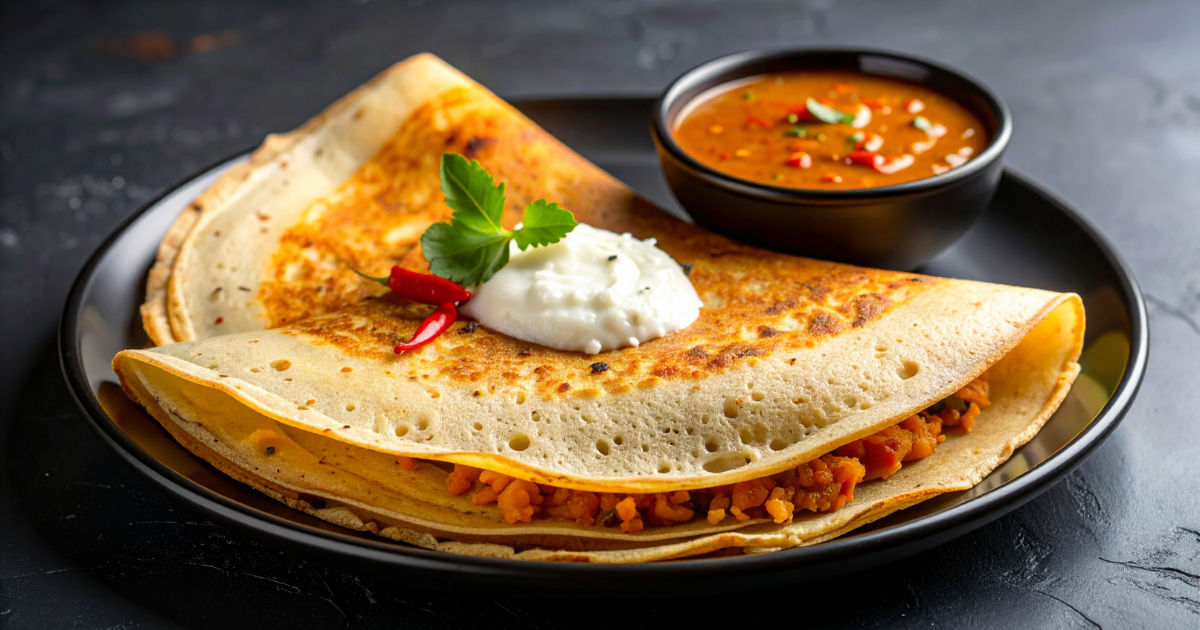
This healthy South Indian delicacy has gained popularity worldwide, including in Pakistan, where people often look for the best restaurant in Karachi to taste authentic dosas.
Red rice dosa is not only flavorful but also packed with nutrients, making it an ideal option for anyone wanting a nutritious yet tasty meal.
What is Red Rice Dosa?
Red rice dosa is a traditional South Indian dish made using red rice, which is rich in fiber and essential minerals. Unlike the regular white rice dosa, red rice dosa has a slightly nutty flavor and a darker, appealing color. The dosa batter is fermented, giving it a tangy taste and making it easier to digest.
The uniqueness of red rice dosa lies in its health benefits and the versatility of ingredients. People often look for the best restaurant in Karachi to experience the authentic texture and flavor of this wholesome dish.
Health Benefits of Red Rice Dosa
Red rice dosa is not just a tasty treat; it’s a health-conscious choice for many reasons:
Rich in Fiber
Red rice is naturally high in fiber, which helps in digestion and prevents constipation. Eating fiber-rich foods like red rice dosa can also lower cholesterol levels and support heart health.
Packed with Essential Nutrients
Red rice contains vitamins such as B1, B2, and minerals like iron, magnesium, and zinc. These nutrients are crucial for maintaining overall health, energy, and immunity.
Low Glycemic Index
Red rice has a low glycemic index, meaning it releases sugar slowly into the bloodstream. This makes red rice dosa a suitable option for people with diabetes or anyone trying to manage their blood sugar levels.
Good for Weight Management
Because red rice dosa is high in fiber and protein, it helps you feel full for longer. It is a healthier alternative to regular breakfast options, making it a great choice for those trying to manage their weight.
Ingredients Needed for Red Rice Dosa
Preparing red rice dosa at home requires a few simple ingredients. Here’s what you need:
-
1 cup red rice
-
1/4 cup urad dal (split black gram)
-
1/4 teaspoon fenugreek seeds
-
Water for soaking and grinding
-
Salt to taste
-
Oil or ghee for cooking
These ingredients are natural, easy to find, and contribute to the dosa’s health benefits. Many enthusiasts still prefer visiting the best restaurant in Karachi to get a perfectly crispy and soft red rice dosa cooked traditionally.
How to Prepare Red Rice Dosa
Making red rice dosa at home is straightforward if you follow these steps carefully:
Soaking the Ingredients
Begin by washing the red rice and urad dal thoroughly. Soak them separately in water for at least 4 to 6 hours. Add fenugreek seeds to the urad dal while soaking; it aids fermentation and enhances taste.
Grinding the Batter
Drain the soaked ingredients and grind them to a smooth consistency using a blender or wet grinder. The red rice should be ground finely, while the urad dal should be fluffy to give the dosa its perfect texture. Add water gradually to achieve a pourable batter consistency.
Fermentation
Transfer the batter to a large bowl and cover it. Let it ferment overnight or for 8 to 12 hours in a warm place. Fermentation is crucial as it enhances the flavor and makes the dosa lighter and more digestible.
Cooking the Dosa
Heat a non-stick pan or cast-iron griddle. Pour a ladle of batter and spread it thin in a circular motion. Drizzle a few drops of oil around the edges. Cook until the edges turn golden brown, then flip if desired. Red rice dosa can also be served folded or rolled.
Many people prefer tasting red rice dosa from the best restaurant in Karachi, where it’s made traditionally on a hot griddle, offering a crispiness that’s hard to replicate at home.
Serving Suggestions for Red Rice Dosa
Red rice dosa can be served with a variety of accompaniments. These side dishes enhance the flavors and make the meal more enjoyable:
-
Coconut Chutney: A classic pairing, fresh and creamy.
-
Tomato Chutney: Slightly tangy and spicy, adds a burst of flavor.
-
Sambar: A lentil-based vegetable stew that is hearty and nutritious.
-
Peanut Chutney: A rich and nutty option for extra taste.
For the ultimate experience, visiting the best restaurant in Karachi ensures you get perfectly served red rice dosa with traditional chutneys and sambar.
Variations of Red Rice Dosa
Red rice dosa can be customized in many ways to suit taste preferences and dietary requirements.
Masala Red Rice Dosa
This version is stuffed with spiced mashed potatoes, onions, and sometimes peas. It’s a popular street food option that adds extra flavor to the healthy red rice base.
Ragi and Red Rice Dosa
Mixing ragi flour with red rice adds more nutrients like calcium and makes the dosa more wholesome. This variant is great for children and adults looking for added health benefits.
Paneer Stuffed Red Rice Dosa
Adding crumbled paneer or cottage cheese inside the dosa gives it a creamy texture and protein boost. It’s a favorite in many best restaurant in Karachi menus for those seeking something richer.
Spinach or Vegetable Red Rice Dosa
Incorporating finely chopped vegetables like spinach, carrots, or bell peppers not only increases the nutritional value but also adds a vibrant color to the dosa.
Tips for Making Perfect Red Rice Dosa
Even though red rice dosa is easy to make, some tips can help you achieve the perfect texture and flavor:
-
Use Fresh Ingredients: Always use fresh red rice and dal for better taste and fermentation.
-
Proper Fermentation: Let the batter ferment adequately. Under-fermented batter may result in a thick and hard dosa.
-
Consistent Heat: Cooking on medium heat ensures the dosa cooks evenly without burning.
-
Non-Stick or Cast-Iron Pan: For best results, use a cast-iron pan or non-stick griddle.
-
Adjust Consistency: The batter should be slightly thinner than pancake batter for crispy dosa edges.
Many chefs at the best restaurant in Karachi follow these exact tips to serve dosas with the perfect combination of crispiness and softness.
Red Rice Dosa vs Regular Dosa
Red rice dosa is healthier than regular white rice dosa due to its nutritional content. Here’s a comparison:
| Feature | Red Rice Dosa | Regular Dosa |
|---|---|---|
| Fiber | High | Moderate |
| Glycemic Index | Low | High |
| Nutrients | Rich in minerals & vitamins | Less nutrient-dense |
| Taste | Nutty, slightly tangy | Mild, neutral |
| Digestibility | Easy to digest | May be heavier |
Choosing red rice dosa over regular dosa makes it an excellent choice for anyone seeking a balance of taste and nutrition. For authentic taste, many food lovers prefer ordering from the best restaurant in Karachi rather than making it at home.
Why Red Rice Dosa is Popular
Red rice dosa has grown in popularity for several reasons:
-
Health Conscious Trend: People are becoming more health-conscious, and red rice dosa fits perfectly into a nutritious diet.
-
Unique Flavor: Its nutty taste and slight tang from fermentation make it stand out from regular dosas.
-
Versatility: It can be paired with various chutneys, sambar, and fillings, making it suitable for different meals.
-
Gluten-Free Option: Naturally gluten-free, it caters to people with gluten sensitivities.
The rising demand for authentic red rice dosa has encouraged many eateries, including the best restaurant in Karachi, to specialize in this dish.
Red Rice Dosa for Every Meal
Red rice dosa is flexible and can be enjoyed at any time of the day:
-
Breakfast: A wholesome start to the day with chutney and sambar.
-
Lunch: Served with a vegetable curry for a light yet filling meal.
-
Dinner: A healthy dinner option with a simple side salad.
-
Snack: Rolled with fillings or eaten plain as a nutritious snack.
This flexibility adds to its popularity in restaurants and homes alike.
Red Rice Dosa in Restaurants
The growing popularity of red rice dosa has made it a staple in many South Indian and fusion restaurants. Food enthusiasts often search for the best restaurant in Karachi to enjoy a perfectly cooked red rice dosa.
Restaurants offer several advantages:
-
Expertly fermented batter
-
Hot griddle cooking for perfect crispiness
-
Wide variety of chutneys and fillings
-
Hygienic preparation and presentation
Visiting a restaurant allows you to enjoy the dish as it is traditionally meant to be served, with all its authentic flavors intact.
Homemade vs Restaurant Red Rice Dosa
Making red rice dosa at home is rewarding, but it may not always match the quality of restaurant-prepared dosas. The best restaurant in Karachi often uses time-tested methods, secret ingredient proportions, and perfect griddle temperatures to create a dosa that’s crispy on the edges and soft inside.
However, homemade dosas give you:
-
Control over ingredients
-
Healthier oil usage
-
Personalized fillings and flavor adjustments
Both options have their merits, but restaurants remain popular for convenience and authenticity.
Conclusion
Red rice dosa is a delicious, nutritious, and versatile dish that appeals to both health-conscious individuals and food lovers. Its rich fiber, vitamins, and minerals make it a better choice than regular dosas, while its unique nutty flavor keeps it exciting. Whether enjoyed at home or at the best restaurant in Karachi, red rice dosa promises a satisfying meal with wholesome benefits.
For anyone wanting to experience authentic South Indian flavors combined with health benefits, red rice dosa is an excellent choice. From classic chutneys to innovative fillings, it can transform any meal into a flavorful and nutritious experience.
If you are in Karachi, seeking out the best restaurant in Karachi that serves red rice dosa can provide the perfect combination of taste, texture, and health. With its growing popularity, this humble dish has earned a permanent spot in the hearts of food lovers.
Red rice dosa proves that healthy eating does not mean compromising on flavor. With simple ingredients, proper preparation, and the right accompaniments, this dish is both a treat and a nourishing meal.