
A teepee sleepover party turns an ordinary night at home into a memorable experience filled with friendship, creativity, games, and cozy moments. The best activities are simple enough for children to enjoy without constant adult direction while still giving the evening a clear sense of adventure. From decorating sleeping spaces to storytelling, crafts, movie time, and gentle competitions, there are many ways to keep guests entertained.
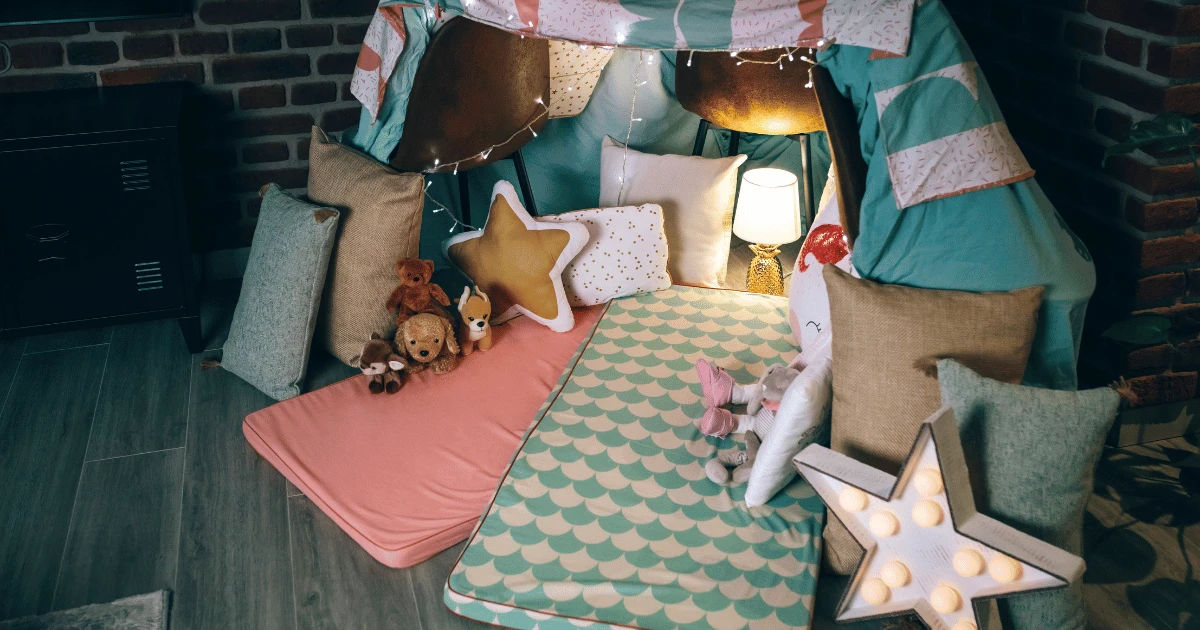
The key is balance. A successful sleepover should not feel like a packed schedule. Children need time to chat, laugh, eat snacks, relax, and simply enjoy being together. Activities should match the guests’ ages, interests, and energy levels. It is also helpful to include active games, creative projects, and quiet options so everyone can participate comfortably.
Start With Teepee Decorating
One of the easiest ways to begin a teepee sleepover party is by letting guests personalize their sleeping areas. Give each child safe decorations, such as paper stars, fabric ribbons, battery-powered fairy lights, or small name signs.
Children can create a theme for their teepee, such as a woodland camp, enchanted garden, space station, or colorful dream room. Avoid candles and other open flames, and keep electrical decorations away from bedding.
A decorating activity also gives guests something to do while everyone arrives. It helps children settle in and makes the sleeping area feel special before the main entertainment begins.
Make Personalized Name Signs
Provide cardstock, markers, stickers, washable paints, and craft shapes. Each guest can make a name sign for their tent.
Older children may enjoy creating detailed designs, while younger guests can focus on stickers and simple drawings. The signs can become keepsakes after the sleepover.
Plan a Cozy Storytelling Session
Storytelling is a natural match for a teepee sleepover party because it encourages imagination without requiring much equipment. Choose a few age-appropriate stories or invite guests to create their own.
A fun variation is collaborative storytelling. One child starts with a sentence, and each guest adds another sentence. The story can become funny, mysterious, or completely unexpected.
Storytelling can also become part of the bedtime routine. Lower the lights, use soft blankets, and give everyone a comfortable place to sit. Keep spooky stories mild if younger children are attending.
Try Story Prompt Cards
Prepare cards with words such as “mystery,” “forest,” “lost treasure,” “friendly dragon,” or “secret door.” Guests draw a card and use it as inspiration.
This activity works particularly well when some children are shy. A prompt gives them a clear starting point and makes it easier to join the conversation.
Organize Creative Craft Activities
Crafts are useful because they allow children to slow down between energetic games. Choose projects that are simple, reasonably mess-free, and suitable for the age group.
Friendship bracelets, decorated sleep masks, paper crowns, bookmarks, and personalized tote bags can all work well. Keep scissors, glue, and small craft pieces appropriate for the children using them.
A teepee sleepover party can feel even more memorable when every guest takes home something they created. It gives the evening a personal element and creates a physical reminder of the experience.
Create Sleep Masks
Sleep masks are especially fitting for an overnight event. Provide plain fabric masks or safe pre-cut templates along with fabric markers, stickers, and decorations.
Children can write their names, draw stars, or create colorful patterns. If using glue or other materials, allow enough drying time before bedtime.
Add a Movie Night
A movie can provide a calm break after games and crafts. Select a film that suits the children’s ages and has a comfortable running time.
Create a small movie area with cushions, blankets, and pillows. Serve simple snacks that are easy to eat without making a mess.
Instead of letting the movie become the entire evening, treat it as one part of the program. A short film can also work well if guests need time to wind down before sleeping.
Make a Mini Snack Station
Set up popcorn, fruit, crackers, pretzels, or other suitable snacks in individual bowls. Clearly check for allergies before serving food.
Children can make simple snack mixes by choosing from a few ingredients. Avoid foods that are difficult to eat safely in a dark room, and keep drinks in spill-resistant containers when possible.
Play Sleepover-Friendly Games
Games are a great way to build excitement, especially early in the evening. Choose activities that can be played indoors without running or rough physical contact.
Charades, guessing games, scavenger hunts, “would you rather,” musical games, and simple trivia can all be adapted to different ages.
For a teepee sleepover party, consider creating a themed scavenger hunt. Hide clues around safe areas of the home and ask children to work together to find the final surprise.
Try a Pillowcase Treasure Hunt
Give each team a pillowcase or small bag and a list of safe objects to find. Items might include something blue, something soft, a toy animal, or a paper star.
Set clear boundaries before the game begins. Children should know which rooms are included and which areas are off-limits.
Host a Mini Spa or Self-Care Session
A gentle self-care activity can make the evening feel luxurious without requiring complicated products. Children can wear fluffy robes, arrange their hair, paint paper nails, or make simple cucumber-water drinks.
If skincare products are used, choose age-appropriate options and check ingredients for allergies or sensitivities. Avoid strong cosmetics, hot treatments, or anything that could irritate young skin.
Another option is a relaxation session with soft music and simple breathing exercises. This can help guests transition from energetic play to quieter activities.
Have a Pajama Fashion Show
A pajama fashion show can be silly, creative, and easy to organize. Each guest can choose a fun sleepwear look and walk along a designated “runway.”
Add categories such as funniest pose, most creative accessories, or best dramatic entrance. Keep the focus on participation rather than judging children against one another.
Guests can also create paper awards for everyone. This keeps the activity positive and prevents one child from feeling left out.
Try a Photo Booth
A simple photo booth can capture memories from the evening. Use a plain wall or decorated corner as the background and provide safe props such as paper glasses, hats, signs, and speech bubbles.
Children can take individual pictures and group photos. If photographs are being shared online, make sure parents or guardians are comfortable with that.
For a teepee sleepover party, photographs can also include the decorated sleeping area. This makes the setup itself part of the memory.
Make a Memory Book
Give guests paper pages where they can write a favorite moment, draw a picture, or leave a friendly message. Collect the pages into a simple memory book.
This can become a thoughtful keepsake for the host. It also gives children a quiet activity after louder games.
Include Board Games and Card Games
Board games are excellent for smaller groups or periods when guests want something relaxed. Choose games with rules that children can understand without a long explanation.
Card games, matching games, word games, and cooperative board games are especially useful. Cooperative games can encourage teamwork rather than focusing entirely on winning.
Have a few choices ready because not every game will suit every group. If disagreements happen, an adult can step in calmly and help children choose another activity.
Create a Karaoke or Dance Session
Music can quickly lift the energy at a teepee sleepover party. Create a child-friendly playlist and let guests choose songs they enjoy.
Karaoke does not require professional equipment. A phone or simple speaker can be enough, provided it is used safely and at a reasonable volume.
Consider ending the dance session with a slower song. This creates a natural transition toward snacks, stories, or movie time.
Set Up a Simple Science Activity
Older children may enjoy a safe science experiment. Easy options include making paper airplanes, testing which household objects float, creating simple color-mixing experiments, or building structures from craft materials.
Choose activities that do not involve dangerous chemicals, heat, sharp tools, or uncontrolled reactions. Prepare materials in advance so the activity does not become stressful.
Science activities can be especially valuable because they combine entertainment with learning. Children can make predictions, test ideas, and discuss what they observe.
Offer a Quiet Corner
Not every guest will want to participate in every activity. A quiet corner gives children a comfortable alternative when they need a break.
Place a few books, coloring pages, puzzles, and soft cushions in the area. Explain that guests may use the space whenever they want some calm time.
This is particularly important for larger groups. A short break can prevent children from becoming overwhelmed or tired.
Finish With a Bedtime Ritual
As the evening gets later, shift from active entertainment to calming activities. Guests can change into pajamas, brush their teeth, organize their sleeping spaces, and choose a final story.
A short gratitude circle can also work well. Each child can share one favorite part of the evening or something they are looking forward to.
The final stage of a teepee sleepover party should feel peaceful rather than rushed. Soft lighting, quiet conversation, and familiar routines can help children settle down.
How to Choose the Right Activities
The best activity plan depends on the age and personality of the guests. Younger children may enjoy crafts, storytelling, music, and simple games. Older children may prefer challenges, movies, creative competitions, and longer group conversations.
Consider the size of the group, available space, and expected bedtime. A small room may not be suitable for active games, while a large group may need activities that prevent everyone from talking at once.
It is also wise to prepare more activities than you expect to use. Children may become fascinated by one game and spend much longer on it than planned. Having backup options gives the host flexibility.
Safety and Comfort Considerations
Safety should remain part of every activity decision. Keep walkways clear, use battery-powered lights instead of flames, and make sure tents are placed away from heaters, cords, and other hazards.
Food allergies and dietary restrictions should be checked before the event. Keep first-aid supplies available and make sure a responsible adult is nearby throughout the night.
Comfort matters too. Provide suitable bedding, access to water, and a reasonable temperature. Avoid overly competitive games that could create unnecessary tension.
Building a Balanced Schedule
A good schedule for a teepee sleepover party does not need to be complicated. You might begin with decorating, move to dinner and games, then introduce crafts and a movie. Later, guests can enjoy storytelling, photos, and quiet activities before bedtime.
Leave gaps between planned activities. These open periods allow children to talk, explore their creative projects, or simply relax.
The goal is not to keep everyone busy every minute. The goal is to create a welcoming environment where children have interesting choices and enough freedom to enjoy the night.
Why Variety Matters
Variety is one of the biggest advantages of planning several activity types. Active games help children use their energy, while crafts and stories encourage creativity. Movies and quiet corners provide opportunities to rest.
A teepee sleepover party becomes more enjoyable when guests can choose activities that match their moods. Some children may love performing karaoke, while others may prefer drawing or playing a board game.
The host should therefore think of activities as options rather than obligations. Flexibility can make the celebration more comfortable for everyone.
Conclusion
The most successful sleepovers combine imagination, friendship, comfort, and activities that suit the group. Decorating teepees, making crafts, telling stories, watching a movie, playing games, creating snacks, taking photographs, and enjoying quiet time can all make an overnight celebration memorable.
A teepee sleepover party does not need expensive entertainment or a complicated itinerary. Thoughtful preparation and a variety of simple choices are usually more valuable. When children can create, laugh, cooperate, and relax together, the event naturally becomes special.
The most important thing is to understand the guests. Choose activities that match their ages, interests, energy levels, and comfort. Keep safety in mind, offer alternatives for children who need quiet time, and avoid forcing anyone to participate.
With the right balance, a teepee sleepover party can become more than a place to sleep. It can be an imaginative little world where friends make crafts, share stories, play games, enjoy treats, and create memories that they will remember long after the tents are packed away.