
Aluminum Composite Panel, commonly known as ACP sheet, is one of the most popular materials in modern construction and interior design. Many architects, builders, and designers prefer it for its lightweight, durability, and versatility.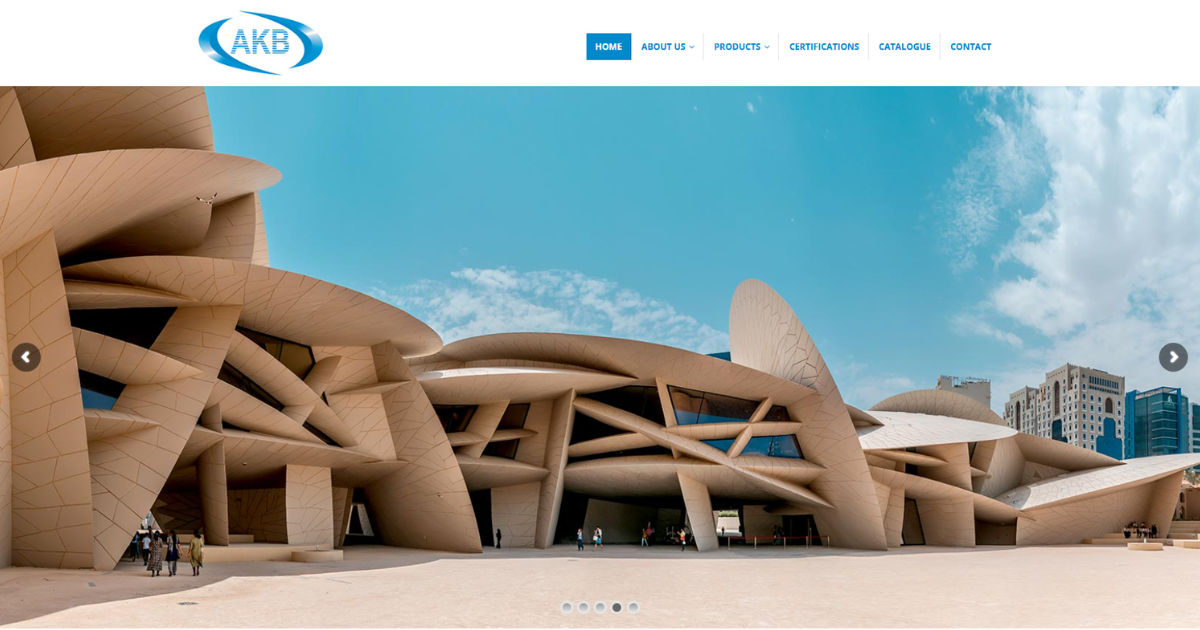
Companies like Akbari Engineering have been at the forefront of supplying high-quality ACP sheets for various projects.
In this guide, we will explore what ACP sheets are, how they work, their applications, types, installation process, advantages, maintenance tips, and some real-world examples.
By the end of this blog, you will have a complete understanding of ACP sheets and why they have become a must-have material in construction today.
Understanding ACP Sheet
An ACP sheet is a flat panel made of two thin layers of aluminum with a core material sandwiched in between. The core is usually made of polyethylene (PE) or fire-retardant materials, which give the panel rigidity and strength while keeping it lightweight. The aluminum layers provide durability, weather resistance, and a smooth surface for painting or finishing.
This combination makes ACP sheets a unique material that is strong yet flexible, lightweight, and aesthetically appealing. Companies like Akbari Engineering ensure their ACP sheets meet international standards for safety, performance, and visual appeal.
Composition of ACP Sheet
The standard ACP sheet is composed of three layers:
-
Outer Aluminum Layer – This is the surface layer, which can be coated with paint, PVDF (Polyvinylidene Fluoride), or other finishes for protection against weather, corrosion, and UV rays.
-
Core Material – The middle layer is usually polyethylene or fire-retardant material. This layer determines the panel's strength, rigidity, and fire safety.
-
Inner Aluminum Layer – Similar to the outer layer, it adds stability and ensures the panel remains flat and durable.
Some high-quality ACP sheets also include additional layers such as protective coatings or adhesives that enhance durability, moisture resistance, and surface finish. Akbari Engineering provides a variety of such ACP sheets suitable for different needs, from building facades to interior cladding.
How Does ACP Sheet Work?
The working principle of ACP sheets lies in its composition and design. The two aluminum sheets provide structural strength, while the core allows flexibility and impact resistance. Here’s how it functions:
-
Strength and Flexibility: The aluminum layers resist bending and deformation, while the core allows the panel to flex slightly without breaking. This makes ACP sheets ideal for both straight and curved installations.
-
Weather Resistance: The surface coating protects the aluminum layers from UV rays, rain, and pollution, ensuring the panel lasts for years.
-
Thermal Insulation: The core acts as an insulator, reducing heat transfer and helping maintain indoor temperatures in buildings.
-
Fire Resistance: Fire-retardant ACP sheets slow down the spread of fire, providing safety for buildings and occupants.
Because of these properties, ACP sheets have become a top choice for modern architectural designs where both aesthetics and functionality matter.
Applications of ACP Sheets
ACP sheets are versatile and can be used in a wide range of applications, both exterior and interior. Some of the common uses include:
Exterior Cladding and Facades
One of the most popular uses of ACP sheets is for building exteriors. They give a modern, sleek look while providing protection against weather conditions. Many skyscrapers, shopping malls, and office buildings use ACP sheets to create visually stunning facades. Akbari Engineering supplies panels in different colors, finishes, and textures to suit architectural designs.
Interior Wall Cladding
ACP sheets are also used for interior walls in offices, hotels, and homes. They are lightweight and easy to install, making them ideal for partitions and decorative wall panels. The smooth finish and wide color variety allow designers to create modern interiors.
Signage and Advertisement Boards
ACP sheets are widely used for commercial signage, hoardings, and advertising boards. Their lightweight and durable nature make them easy to mount, and the flat surface allows high-quality printing.
False Ceilings
In modern interiors, ACP sheets are sometimes used for false ceilings. They provide a clean, sleek look and can be customized with various patterns or colors.
Modular Kitchens and Furniture
Some designers use ACP sheets in kitchen cabinets, wardrobes, and furniture. The moisture resistance and easy-to-clean surface make them practical for these purposes.
Types of ACP Sheets
ACP sheets are available in various types depending on the core material, surface finish, and thickness. Understanding these types helps in selecting the right panel for your project.
Based on Core Material
-
Polyethylene Core: Lightweight and cost-effective, suitable for most interior applications.
-
Fire-Retardant Core: Enhanced fire resistance, ideal for high-rise buildings and commercial structures.
Based on Surface Finish
-
PVDF Coated ACP Sheets: Durable, UV-resistant, and ideal for exteriors.
-
PE Coated ACP Sheets: Economical and suitable for interiors.
-
Polyester Coated ACP Sheets: Good for decorative purposes and moderate weather conditions.
Based on Thickness
ACP sheets come in various thicknesses, commonly ranging from 3mm to 6mm. Thicker sheets provide better rigidity and sound insulation, while thinner sheets are easier to bend and install. Akbari Engineering offers multiple thickness options to match different project requirements.
Installation Process of ACP Sheets
Installing ACP sheets requires precision, proper tools, and skilled labor. A typical installation process includes:
1. Surface Preparation
The wall or surface where the ACP sheet will be installed must be clean, dry, and level. Any cracks or irregularities should be fixed before installation.
2. Framing
A framework, usually made of aluminum or steel, is installed to support the ACP sheets. The framework ensures the panels remain stable and aligned.
3. Fixing the Panels
ACP sheets are attached to the framework using screws, rivets, or adhesives. For exterior cladding, it is crucial to leave a small gap between panels to allow thermal expansion.
4. Joint Sealing
Sealing the joints with silicone or special sealants prevents water seepage, dust entry, and ensures weather resistance.
5. Finishing Touches
After installation, panels can be polished, cleaned, or painted if required. Some designs also include perforated ACP sheets for decorative purposes or ventilation.
Advantages of ACP Sheets
ACP sheets offer multiple benefits, which explain their growing popularity in construction and interior design.
Lightweight
ACP sheets are significantly lighter than concrete, glass, or natural stone panels, making them easier to transport and install.
Durability
High-quality ACP sheets resist corrosion, moisture, UV rays, and pollutants. This ensures long-lasting performance with minimal maintenance.
Flexibility in Design
ACP sheets can be curved, cut into shapes, or perforated to match creative architectural designs.
Cost-Effective
Compared to traditional materials like stone or steel, ACP sheets are more economical in terms of material, labor, and maintenance costs.
Thermal and Sound Insulation
The core material of ACP sheets provides moderate insulation against heat and noise, enhancing comfort inside buildings.
Fire Resistance
Fire-retardant ACP sheets slow down fire spread, adding safety for residential and commercial structures.
Easy Maintenance
ACP sheets are easy to clean with water and mild detergents. They do not require frequent painting or polishing.
Maintenance Tips for ACP Sheets
Proper maintenance ensures the longevity and aesthetic appeal of ACP sheets. Here are some tips:
-
Clean the panels regularly with a soft cloth and mild detergent.
-
Avoid using abrasive materials or chemicals that can damage the surface coating.
-
Inspect the panels periodically for any damage, corrosion, or loosened joints.
-
Re-seal joints if there are signs of water leakage.
-
For outdoor panels, remove dirt, dust, and bird droppings promptly to avoid stains.
Common Misconceptions About ACP Sheets
There are a few misconceptions about ACP sheets that need clarification:
-
ACP Sheets Are Not Fireproof: Standard polyethylene-core ACP sheets are flammable. Fire-retardant panels should be used in high-risk areas.
-
ACP Sheets Are Fragile: While lightweight, they are strong and impact-resistant when installed correctly.
-
ACP Sheets Require Frequent Maintenance: In reality, they are low-maintenance and durable.
Akbari Engineering ensures their ACP sheets meet international standards for safety, fire resistance, and durability, making them a trusted choice for builders and designers.
Real-World Examples of ACP Sheet Usage
-
Commercial Buildings: Malls, office towers, and showrooms often use ACP sheets for sleek and modern facades.
-
Airports and Metro Stations: ACP sheets are ideal for high-traffic areas because of their durability and easy maintenance.
-
Residential Projects: High-end apartments and houses use ACP sheets for exteriors and interiors, adding modern aesthetics.
-
Retail Stores: ACP sheets help create eye-catching signboards, partitions, and interiors.
Environmental Considerations
ACP sheets are recyclable and eco-friendly if disposed of properly. Choosing high-quality ACP sheets from companies like Akbari Engineering ensures that environmental impact is minimized. Modern manufacturing processes also focus on reducing harmful emissions and energy consumption during production.
Future of ACP Sheets
With ongoing innovation in materials and coatings, ACP sheets are becoming more sustainable, fire-resistant, and versatile. Smart ACP sheets with energy-efficient coatings and decorative finishes are already entering the market. Architects and builders continue to explore creative uses, from curved facades to integrated signage solutions.
Conclusion
ACP sheets are a revolutionary material in modern construction and design. Their lightweight, durability, flexibility, and aesthetic appeal make them ideal for exterior cladding, interior wall panels, signage, and more. Understanding how ACP sheets work, their composition, types, and applications can help architects, builders, and homeowners make informed decisions.
Choosing a trusted supplier like Akbari Engineering ensures that you get high-quality, durable, and safe ACP sheets that meet international standards. Whether you are planning a new building, renovating interiors, or creating commercial signage, ACP sheets are a cost-effective and versatile choice.
By combining advanced technology, safety standards, and design flexibility, ACP sheets continue to transform the way we build and decorate spaces around us. Investing in quality ACP sheets ensures long-term performance, minimal maintenance, and a modern aesthetic appeal for any project.