
Automatic Packing machines have changed the way food products are prepared, filled, sealed, labeled, and made ready for distribution. These machines are widely used in food factories because they can perform many packaging tasks quickly and consistently while reducing the amount of manual labor required.
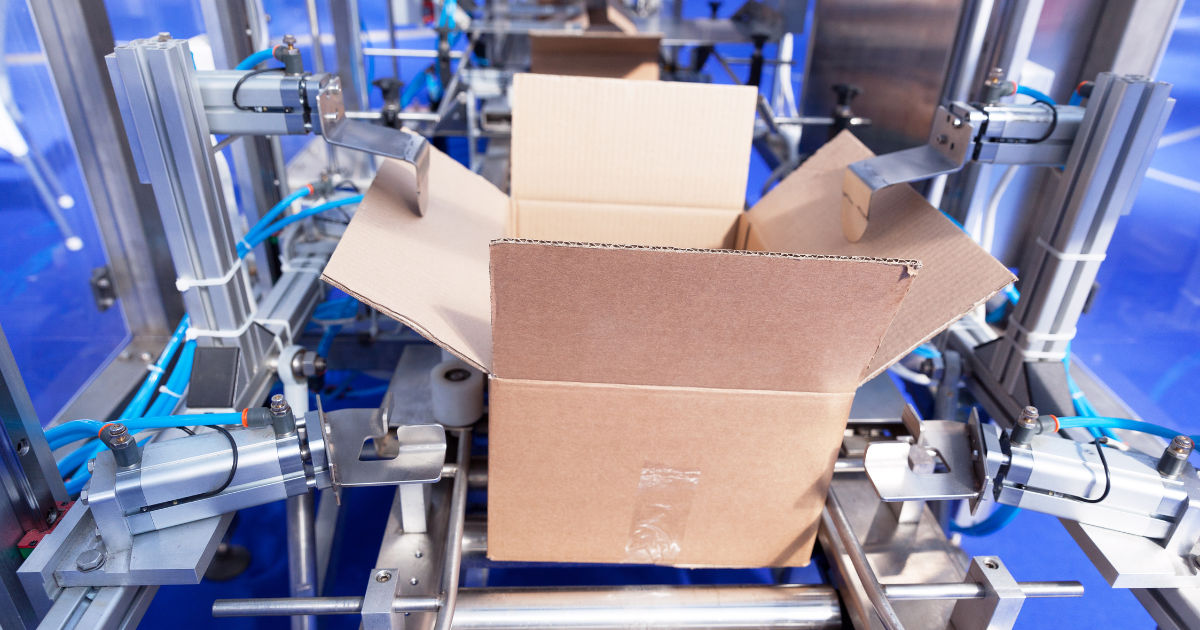
From snacks and cereals to frozen foods, spices, rice, pasta, sauces, and confectionery, automated packaging systems can handle many different types of food products. Their ability to maintain speed, accuracy, hygiene, and consistent package quality makes them an important part of modern food production.
But how exactly does an automatic packing machine pack food? The process involves several connected stages. The food product is first supplied to the machine, measured or counted, placed into suitable packaging material, sealed, checked, and prepared for transportation.
Understanding these stages helps explain why automated packaging has become so common in the food industry.
What Are Automatic Packing Machines?
Automatic packing machines are industrial systems designed to package products with little or no continuous manual intervention. Depending on their design, they can perform one or several packaging operations automatically.
A typical machine may measure the correct amount of food, create or open a package, fill it with the product, seal the package, print information, and move the finished package to another production stage.
Different machines are designed for different food products. A machine used for potato chips may work differently from one designed for liquid sauces or frozen vegetables.
Modern Packing machines are often controlled by computerized systems. Sensors, motors, programmable controllers, and other components work together to control the packaging process.
How Does the Automatic Food Packing Process Work?
Although machine designs vary, most automatic food packaging systems follow a series of basic steps.
1. Product Feeding
The first stage is getting the food product into the packaging system.
Food is usually transported from a production line or storage hopper into the packing machine. Conveyors, elevators, pumps, or specialized feeding systems can be used depending on the product.
For example, dry products such as rice or cereal may move through conveyors or hoppers. Liquid products may require pumps and pipes to deliver them to the filling section.
The feeding system must maintain a steady product flow. If too much or too little food enters the machine, the packaging process can become inaccurate.
2. Measuring or Weighing the Food
The next important step is determining how much food should go into each package.
Accuracy is especially important in commercial food production. A package advertised as containing 500 grams, for example, should contain an appropriate amount close to the stated weight.
Automatic machines use different measuring technologies. Multihead weighers are commonly used for products such as snacks, nuts, candy, and frozen foods.
Volumetric systems may be used for products with relatively consistent shapes or densities. Liquid products can be measured using pumps, flow meters, or other filling systems.
The selected method depends on the physical characteristics of the food.
3. Preparing the Packaging Material
After the food quantity is determined, the machine prepares the package.
Some machines use rolls of flexible film. Others work with pre-made bags, trays, cartons, bottles, cups, or containers.
In a vertical form-fill-seal system, for example, a roll of packaging film is shaped into a tube around a forming section.
The machine then creates seals to form the package structure.
Horizontal packaging systems use a different arrangement and are often suitable for products such as bakery items, chocolate bars, and individual food portions.
4. Filling the Package
Once the packaging material is ready, the measured food is placed inside.
The filling mechanism must operate at the correct time. Sensors and computerized controls help coordinate the movement of the packaging material with the product delivery system.
For solid foods, gravity, controlled gates, augers, or mechanical systems may be used.
Powdered products such as flour, spices, and drink mixes may require screw-based filling systems. Liquids generally use pumps or other controlled filling mechanisms.
The goal is to deliver the correct amount without damaging the product or contaminating the package.
5. Removing Excess Air
Some foods require special control of the air inside their packaging.
For example, oxygen can contribute to oxidation and spoilage in certain foods. Some packaging systems therefore remove or reduce air before sealing.
Modified atmosphere packaging is one method used for products that benefit from controlled gases inside the package.
Vacuum packaging is another approach. The machine removes air from the package before sealing it.
However, not every food product requires air removal. The packaging method depends on the food's characteristics, shelf-life requirements, and storage conditions.
6. Sealing the Package
After filling, the package must be securely closed.
Heat sealing is widely used with flexible plastic films. The machine applies controlled heat and pressure to create a strong seal.
Other packaging formats may use lids, caps, adhesives, folds, or mechanical closures.
The sealing process must be carefully controlled. If the temperature is too low, the seal may be weak. If it is too high, the packaging material could become damaged.
Automatic systems monitor factors such as sealing temperature, pressure, and timing to maintain consistent results.
7. Cutting and Separating Packages
Some packaging machines produce a continuous series of packages from a roll of material.
After sealing, a cutting mechanism separates individual packages.
The cutting process needs to be accurately synchronized with the packaging cycle. Poor synchronization could result in incorrectly sized packages or damaged seals.
Modern machines use sensors and control systems to coordinate cutting with filling and sealing operations.
8. Printing Product Information
Food packages usually need important information such as expiration dates, production codes, batch numbers, or other identification details.
Many automatic packaging lines include printing equipment.
Inkjet printers, thermal printers, laser printers, and other technologies can mark packaging materials.
The information allows manufacturers, retailers, and consumers to identify important details about the product.
Batch information can also help manufacturers trace products if a quality problem occurs.
9. Inspection and Quality Control
Quality control is another important part of automated food packaging.
Sensors and inspection systems can check packages for various problems. These may include incorrect weight, missing seals, damaged packaging, incorrect labels, or foreign objects.
Checkweighers can determine whether a package is within an acceptable weight range.
Vision systems can inspect labels, printing, package appearance, and sealing areas.
If a package does not meet the required standards, an automated rejection system may remove it from the production line.
This prevents defective packages from continuing to the final shipping stage.
What Types of Food Can Automatic Machines Pack?
Automatic packaging technology is suitable for a wide variety of foods.
Snacks and Confectionery
Potato chips, popcorn, crackers, candy, chocolate products, and similar foods are commonly packaged using automated systems.
Multihead weighing systems are particularly useful when products consist of individual pieces.
Grains and Dry Foods
Rice, flour, cereals, pasta, beans, lentils, and other dry foods can be packaged using weighing or volumetric filling systems.
The machine configuration depends on the product's size, shape, density, and flow characteristics.
Frozen Foods
Frozen vegetables, meat products, seafood, fries, and other frozen items can also be packaged automatically.
These systems need to work effectively in demanding production environments while maintaining product quality.
Liquids and Sauces
Milk, juice, cooking oils, sauces, soups, and other liquid foods require specialized filling equipment.
Pumps and controlled filling systems help transfer precise quantities into bottles, pouches, cups, or other containers.
Bakery Products
Bread, biscuits, cakes, cookies, and other baked goods are often packaged using horizontal systems.
Gentle product handling can be important because many bakery products can break or become damaged during transportation.
Why Is Automation Important in Food Packaging?
Automation provides several advantages for food manufacturers.
Faster Production
Machines can package products much faster than manual workers performing the same repetitive tasks.
A high-speed production line can process a large number of packages within a relatively short period.
This helps manufacturers meet customer demand and maintain efficient production schedules.
Improved Accuracy
Automated weighing and filling systems can provide consistent quantities.
This reduces the risk of significant underfilling or overfilling and helps manufacturers maintain product specifications.
Better Hygiene
Food packaging requires careful attention to hygiene.
Reducing unnecessary human contact with food can help lower the risk of contamination.
Many modern Packing machines are designed using food-grade materials and surfaces that can be cleaned and sanitized.
Consistent Package Quality
Manual packaging can produce differences between individual packages.
Automation provides more consistent sealing, filling, cutting, and labeling.
This creates a more uniform appearance and helps maintain predictable product quality.
Reduced Labor Requirements
Automation does not necessarily eliminate workers. Instead, it changes the type of work employees perform.
Workers can supervise machines, perform quality checks, maintain equipment, refill packaging materials, and manage production processes.
This can reduce the amount of repetitive manual work required.
How Do Sensors Help Automatic Packing Machines?
Sensors are essential to modern automated packaging systems.
They help machines detect product position, packaging material, package dimensions, and other important conditions.
For example, a sensor can detect whether packaging film is correctly positioned before filling begins.
Another sensor may determine whether a package has reached the sealing station.
Weight sensors can measure the amount of product in a package, while optical systems can inspect labels and package appearance.
These sensors allow the machine's control system to make rapid adjustments during production.
How Does a Control System Manage Packaging?
A computerized control system coordinates different machine components.
It controls motors, conveyors, filling mechanisms, sealing systems, cutters, sensors, and other equipment.
Operators can usually enter production settings through a touchscreen interface.
For example, they may select package size, target weight, sealing temperature, or production speed.
Once the appropriate settings are entered, the control system coordinates the packaging cycle.
This makes it easier to switch between different products or package sizes, although proper setup and testing are still necessary.
What Happens When a Problem Occurs?
Automatic packaging systems are designed to detect many common problems.
If a package is too light or too heavy, a checkweigher may identify it.
If packaging film becomes misaligned, sensors can detect the problem and stop or adjust the process.
If a package does not seal correctly, an inspection system may reject it.
Modern machines can also display error messages that help operators identify problems.
Regular maintenance remains important because automation does not eliminate mechanical wear or equipment failure.
Maintenance of Automatic Food Packing Machines
Regular maintenance helps keep a packaging line reliable.
Operators should inspect machine components according to the manufacturer's maintenance schedule.
Sealing elements, belts, sensors, moving parts, and feeding systems may require regular inspection.
Food production environments also require careful cleaning.
Any cleaning procedure should follow the equipment manufacturer's instructions and applicable food-safety requirements.
Preventive maintenance can help identify small problems before they become expensive production failures.
How Should a Manufacturer Choose a Packing Machine?
The right machine depends on several factors.
First, manufacturers need to consider the type of food being packaged.
The product's texture, size, weight, temperature, moisture, and flow behavior can affect machine selection.
Package type is another major consideration. A manufacturer may need pouches, bottles, trays, cartons, cans, or another format.
Production volume is also important. A small operation may need a simpler system, while a large factory may require a high-speed automated line.
Manufacturers should also consider cleaning requirements, available floor space, energy consumption, maintenance needs, and future production plans.
Choosing equipment based only on speed can create problems if the machine cannot handle the product correctly.
Are Automatic Packing Machines Safe for Food?
When properly designed, installed, operated, and maintained, automatic food packaging equipment can support hygienic food production.
Machines used in food processing environments should be made from suitable materials and designed for appropriate cleaning procedures.
However, the machine itself is only one part of food safety.
Employees, raw materials, storage conditions, sanitation procedures, temperature control, and quality management also play important roles.
Manufacturers must follow the food-safety regulations and standards applicable to their location and product category.
The Future of Automatic Food Packaging
Food packaging technology continues to develop.
Modern systems increasingly use smart sensors, improved robotics, machine vision, data collection, and advanced control software.
Robotic systems can handle products, arrange packages, and place finished goods into cartons.
Artificial intelligence and advanced inspection technologies may also improve the ability to detect packaging defects.
Connected machines can collect production information that helps manufacturers monitor efficiency and identify potential problems.
Sustainability is another major area of development. Manufacturers are exploring recyclable, lightweight, and lower-material packaging options.
Future packaging systems will likely need to combine speed and accuracy with greater attention to environmental impact.
Conclusion
Automatic food packaging is a carefully coordinated process involving feeding, measuring, filling, sealing, inspection, labeling, and final handling. Each stage has an important role in producing packages that are accurate, secure, hygienic, and ready for distribution.
Modern Packing machines make it possible for food manufacturers to handle large production volumes while maintaining consistent packaging quality. Sensors and computerized controls allow machines to coordinate individual operations and quickly identify certain problems.
Different foods require different packaging technologies. Dry products may use weighing or volumetric systems, liquids may require pumps, and delicate bakery products may need gentle handling. The packaging material and desired shelf life also influence the machine's design.
Automation offers major benefits, including faster production, accurate filling, consistent sealing, improved hygiene, and reduced repetitive labor. At the same time, proper maintenance, cleaning, operator training, and food-safety procedures remain essential.
As technology continues to improve, automatic food packaging systems are likely to become smarter, more flexible, and more efficient. Manufacturers will increasingly look for systems that not only package food quickly but also reduce waste, improve quality control, and support more sustainable packaging.
In simple terms, an automatic food packing machine takes a product, measures the required quantity, places it into packaging, seals it, checks the finished package, and prepares it for the next stage. What may look like a simple package on a store shelf is actually the result of a carefully controlled automated process involving mechanical equipment, sensors, software, and quality-control systems.