
When choosing distinctive accessories, many people want to know how their jewellery is designed, what materials are used, and how much craftsmanship goes into each piece. Handmade jewellery has a special appeal because it reflects creativity, attention to detail, and the skill of the people who make it. If you appreciate unique statement accessories, you may wonder whether Madiso jewellery is made by hand or produced through mass manufacturing. 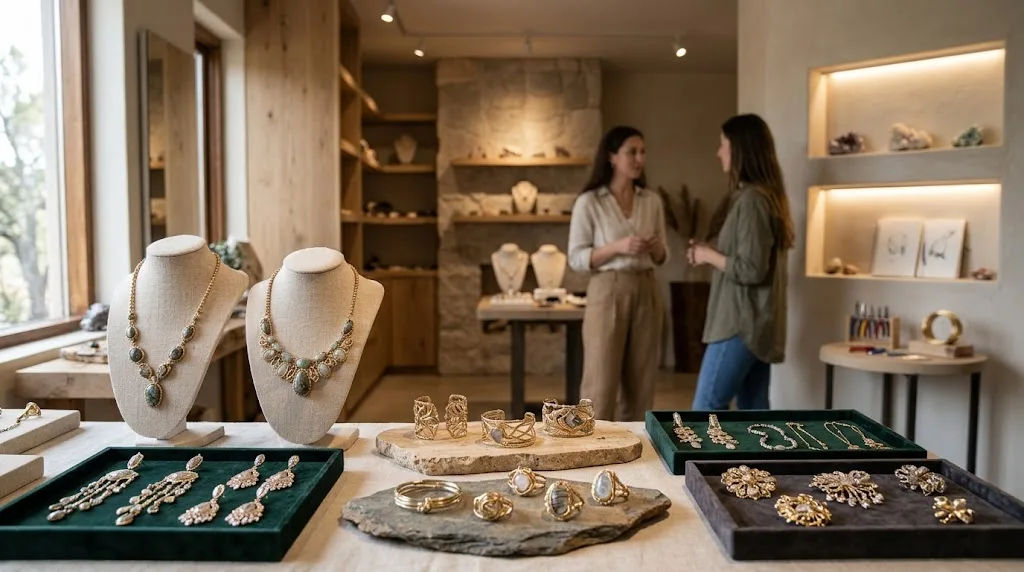 The answer is yes. According to the brand's official website, Madiso creates handcrafted fashion accessories, including jewellery, using detailed handwork and artistic techniques. The brand describes its creations as the work of designer Madiha Muzaffar and a small team of artisans, with pieces handcrafted in Italy and Türkiye. Its designs combine decorative materials, intricate embroidery, and carefully arranged embellishments to create distinctive accessories.
Understanding the handmade process can help you appreciate why these pieces look different from ordinary accessories. It also explains how the choice of materials, the placement of decorative elements, and the finishing process contribute to their appearance.
Whether you are considering earrings, necklaces, brooches, or other statement pieces, learning about the craftsmanship behind them can help you make a more informed purchase. This guide explores how the brand approaches handmade production, which materials it uses, what makes its designs distinctive, and how to care for your jewellery.
What Is Madiso Jewellery?
Madiso jewellery is a fashion accessories brand associated with designer Madiha Muzaffar. Its collections focus on statement jewellery and decorative accessories that combine artistic expression with contemporary style.
Rather than relying only on simple metal shapes or traditional gemstone settings, the brand uses combinations of crystals, beads, fabric, and other decorative elements. These materials help create bold designs that can become the main feature of an outfit.
The collection includes earrings, necklaces, brooches, and hair accessories. The brand also offers bags and other fashion pieces, allowing customers to explore a coordinated style across different accessories.
A defining feature of its jewellery is the use of detailed surface decoration. Some pieces feature crystals and beads hand-embroidered onto silk fabric, while others combine decorative components to produce distinctive shapes and textures.
This approach gives the jewellery an artistic quality. Each design can express a particular mood, whether that means elegant sparkle, playful colour, or dramatic embellishment.
How Is Madiso Jewellery Made by Hand?
Handmade jewellery involves more than assembling attractive materials. It requires planning, technical skill, careful handling, and attention to how each component works with the overall design.
The brand states that its pieces are handcrafted by a small team of artisans in Italy and Türkiye. Its descriptions also identify hand embroidery as an important technique used in several collections.
Although the precise production steps may vary between designs, several elements help explain the craftsmanship involved.
1. Developing the Design
The process begins with a creative idea. A designer considers the shape, colour, texture, and overall appearance of the finished accessory.
For statement jewellery, these decisions are particularly important because the design needs to stand out while remaining comfortable and practical to wear.
The designer may explore combinations of crystals, beads, pearls, fabrics, and metal components. The arrangement of these materials determines whether the finished piece looks delicate, dramatic, modern, or romantic.
Madiso's creative director, Madiha Muzaffar, draws inspiration from nature and artistic expression. This influence is reflected in the brand's distinctive approach to statement accessories.
2. Selecting Materials
Material selection is another important part of the process. Different materials provide different visual effects, and the choice depends on the intended design.
Crystals can create sparkle, beads introduce colour and texture, and silk provides a surface for detailed embroidery. Some designs also incorporate cubic zirconia, pearls, or other decorative elements.
The materials are selected and combined to create a particular appearance. Their size, colour, shape, and finish all influence the final result.
Quality materials alone, however, do not automatically make a piece handmade. The distinction comes from how the components are designed, assembled, decorated, and finished.
3. Hand-Embroidering Decorative Elements
Hand embroidery is one of the clearest examples of craftsmanship in the brand's jewellery.
According to its product descriptions, several designs feature glass crystals and beads embroidered onto silk fabric. The components are positioned and secured to create the intended pattern.
This work requires patience and precision. Small decorative elements must be arranged carefully so that the design looks balanced and the embellishments remain secure.
Even minor differences in placement can affect how the finished piece reflects light or how its colours appear together.
Hand embroidery also allows artisans to work with intricate patterns that may be difficult to reproduce identically across multiple pieces.
4. Assembling and Finishing the Jewellery
After the decorative work, the different components must be brought together into a wearable accessory.
Depending on the design, this may involve attaching a backing, securing fastenings, checking connections, and ensuring that the finished piece sits properly when worn.
Some Madiso product descriptions mention Alcantara backing, a suede-like material used on the reverse of certain embroidered designs. The specific construction depends on the individual product.
Finishing is important because the back of a piece matters almost as much as its front. Secure attachments and carefully finished edges help make an accessory more practical for everyday handling.
A handmade item should still meet reasonable standards for comfort, durability, and construction.
What Materials Are Used in Madiso Jewellery?
The materials used in handmade jewellery play an important role in its appearance, texture, and overall character. Madiso's collections feature several decorative materials, with the exact combination depending on the individual design.
Crystals and Glass Beads
Crystals and glass beads are common elements in the brand's designs. They create sparkle and help introduce colour, depth, and texture.
For example, the brand's earrings and necklaces include designs featuring glass crystals and beads embroidered onto silk fabric. Some pieces also use Swarovski crystals or cubic zirconia, depending on the product.
These materials can produce a striking appearance under different lighting conditions. Their placement also affects how the jewellery looks from different angles.
However, it is important to distinguish decorative crystals from precious gemstones. Glass crystals and cubic zirconia are not the same as natural diamonds, sapphires, or other precious stones.
Silk and Fabric
Silk provides a decorative foundation for several designs. Its smooth surface can complement the shine of crystals and the texture of beads.
Hand embroidery allows decorative elements to be arranged directly on the fabric, creating detailed patterns and unusual combinations of colour and texture.
The fabric-based construction also distinguishes some of these pieces from conventional jewellery made entirely from metal.
Because silk and other fabrics can be sensitive to moisture, friction, and chemicals, accessories made with them may require more careful handling than simpler metal designs.
Metal Components and Decorative Settings
Metal components can provide structure, attachment points, and a finished appearance. Certain designs also incorporate gold-tone settings and other decorative metal elements.
These components help support the overall design, but a gold-tone finish does not automatically mean that an item is made from solid gold.
Anyone purchasing jewellery for its precious-metal content should check the specific product description for information about metal composition, plating, and purity.
Pearls and Other Decorative Materials
Some of the brand's designs use pearl-inspired or pearl-based decorative elements alongside crystals and beads. Other collections feature different combinations of materials to create distinctive shapes.
The choice of materials contributes to the identity of each piece. A design with pale pearls and clear crystals may look elegant and understated, while one with colourful beads and prominent embellishments may feel more playful.
The important point is that handmade craftsmanship describes the production method, not necessarily the monetary value or rarity of the materials.
What Makes Handmade Madiso Jewellery Different?
Handcrafted accessories can differ from mass-produced jewellery in several ways. Understanding these differences helps explain why people are drawn to artistic statement pieces.
Individual Character
The brand presents its work as distinctive and states that its pieces are not necessarily identical. Hand placement of decorative elements can create small differences between items.
For customers, this individuality can be part of the appeal. A piece may have a particular arrangement of colours, shapes, and embellishments that gives it a character of its own.
However, handmade does not automatically mean that every item is a one-of-a-kind design. Some handcrafted designs can be produced in multiple versions, even when small differences occur during assembly.
Attention to Detail
Detailed embroidery and decorative arrangements require concentration. An artisan must consider how the individual components work together rather than simply focusing on the appearance of one bead or crystal.
The positioning of each element can affect the balance of the finished design.
For jewellery with many small embellishments, careful finishing is particularly important. Loose threads, unstable settings, or poorly secured components can affect both appearance and durability.
Artistic Expression
Handmade jewellery can serve as a form of wearable art. It allows designers to explore shapes, textures, and colour combinations that may be less common in conventional accessories.
Madiso's creative direction draws on nature and artistic expression, giving its statement jewellery a recognisable visual identity.
These designs may appeal to people who prefer accessories that express personal style rather than simply follow popular trends.
Craftsmanship and Time
Hand embroidery and detailed assembly require skilled work. Depending on the complexity of a design, the process may involve numerous small steps.
The time involved can influence the cost of an accessory, although the price also depends on materials, design, brand positioning, and other business expenses.
It is worth remembering that the label handmade alone cannot establish the exact hours spent making a product. Buyers who want specific production details can ask the brand directly.
Is Every Madiso Jewellery Piece Completely Handmade?
This is an important question for anyone who wants to understand the meaning of handcrafted production.
The brand describes its work as handmade and highlights the role of artisans in creating its accessories. Product listings also identify particular techniques, such as hand embroidery, and name the materials used in individual pieces.
Nevertheless, handmade products can include both hand-finished and manufactured components.
For example, crystals, beads, clasps, and earring posts may be produced using specialised manufacturing processes before being incorporated into a handcrafted design. The fact that an artisan attaches these materials by hand does not mean that every component was individually made by hand.
Similarly, a jewellery collection may contain different construction methods. An embroidered necklace and a pair of conventional hoop earrings do not necessarily require the same production process.
For this reason, it is better to assess individual product descriptions rather than assume that every item uses exactly the same techniques.
If you need confirmation about a specific piece, consider asking the brand:
-
Which parts of the item are assembled or embroidered by hand?
-
Are the decorative elements attached individually?
-
What materials are used in the backing, settings, and fastenings?
-
Are there any machine-assisted steps in production?
-
Can the brand provide additional details about the item's construction?
These questions can help you understand what handcrafted means for the particular product you are considering.
Popular Types of Madiso Jewellery to Explore
The brand offers different styles of statement jewellery, making it possible to choose pieces according to your wardrobe and the occasions you attend.
Statement Earrings
Statement earrings can add colour and sparkle to a simple outfit. The collection includes designs featuring embroidered crystals, glass beads, and decorative shapes.
They can work well with evening dresses, formal clothing, and simple tops that need an eye-catching accessory.
Decorative Necklaces
The necklace collection includes designs with silk ties, crystals, beads, and detailed embroidery.
These pieces can become the focal point of an outfit, particularly when paired with clothing in solid colours or simple necklines.
Decorative Brooches
Brooches offer a flexible way to introduce artistic detail to clothing. They can be worn on jackets, coats, scarves, or suitable fabric accessories, provided the pin is compatible with the material.
Their decorative designs make them useful for personalising outfits without adding several other accessories.
Each category offers a different way to enjoy decorative craftsmanship. The best choice depends on your preferred style, comfort requirements, and how frequently you plan to wear the piece.
How to Care for Handmade Madiso Jewellery
Handcrafted jewellery deserves careful maintenance, especially when it contains fabric, embroidery, crystals, and small decorative components.
Good care helps preserve its appearance and reduces the risk of damage during regular use.
Keep Jewellery Away from Moisture
Water can affect fabric-based components and may weaken certain adhesives or contribute to deterioration in some finishes.
Remove your jewellery before swimming, bathing, or exercising. Avoid storing it in damp places, and make sure your accessories are dry before putting them away.
The brand's product care guidance recommends keeping its pieces away from moisture and perfume.
Apply Perfume Before Wearing Jewellery
Perfume, hairspray, lotions, and other cosmetic products can leave residue or affect delicate finishes.
Apply these products before putting on your accessories and allow them to dry. This simple habit can help protect decorative surfaces.
Clean Gently
Use a soft, clean cloth to remove fingerprints and surface dust after wearing your jewellery.
Avoid harsh cleaning chemicals, abrasive materials, and excessive rubbing. These methods can damage delicate embroidery, scratch decorative elements, or affect the finish.
Unless the manufacturer confirms that a particular cleaning method is suitable, avoid soaking fabric-based jewellery in water.
Store Each Piece Separately
Store your accessories in their original pouch or another clean, dry storage container.
Keeping individual pieces separate helps prevent tangling, scratching, and friction between crystals, metal components, and other surfaces.
Avoid placing heavy objects on top of embroidered jewellery because pressure can damage its shape or decorative details.
Handle Embellishments Carefully
When putting on or removing jewellery, handle it by its main structure rather than pulling on threads, beads, or decorative attachments.
If you notice a loose crystal, damaged fastening, or frayed thread, stop wearing the piece until you have assessed the problem. Contact the brand for advice about suitable repairs.
Is Madiso Jewellery Worth Buying?
Whether handmade jewellery is worth buying depends on your personal preferences, budget, and expectations.
If you value artistic design, decorative detail, and distinctive accessories, the brand's handcrafted approach may be appealing.
Its use of crystals, beads, silk, and embroidery offers a different look from jewellery made primarily from plain metal or conventional gemstone settings.
However, price alone does not prove quality, and handmade construction does not guarantee that an item will last forever. It is sensible to consider the materials, comfort, finishing, maintenance requirements, and intended use before purchasing.
You should also distinguish between jewellery intended mainly for fashion and pieces marketed as fine jewellery made from precious metals or gemstones. These categories can have different standards of material value and durability.
Before buying, review the product description carefully, confirm the materials, and check the return policy. If you have sensitive skin, ask about the composition of the metal components and whether the item contains nickel or other materials that might cause irritation.
Ultimately, the right accessory is one that suits your style, meets your expectations, and offers a level of craftsmanship you genuinely appreciate.
Conclusion
So, is Madiso jewellery made by hand? Yes, the brand describes its jewellery as handcrafted, with its creative director, Madiha Muzaffar, working alongside artisans to produce distinctive fashion accessories in Italy and Türkiye. Hand embroidery, carefully arranged crystals, glass beads, silk fabric, and decorative components are important features of several designs.
The handmade approach helps explain the brand's artistic appearance and attention to decorative detail. Rather than focusing solely on traditional metalwork, its designs combine different materials and textures to create accessories that stand out.
At the same time, it is important to understand that handmade jewellery can incorporate manufactured components. The precise construction, materials, and techniques may vary between individual products, so checking the relevant product description remains worthwhile.
If you are considering a purchase, think about what matters most to you. You may prioritise the design, the materials, the comfort of wearing the piece, or the care it requires. Understanding these factors will help you decide whether a particular accessory suits your needs.
With suitable handling, careful storage, and gentle cleaning, handcrafted jewellery can remain an attractive part of your wardrobe for years. By appreciating the work involved and choosing pieces that reflect your personal taste, you can enjoy accessories that combine artistic expression with individual style.
For anyone who appreciates detailed embellishment and distinctive statement designs, Madiso jewellery offers a handcrafted approach worth exploring. The best purchase is one that brings together thoughtful design, clearly described materials, and lasting enjoyment.