
Taking care of your skin is an important part of maintaining a healthy and confident appearance. However, choosing the right products can sometimes be confusing because every person's skin has different needs. Some people struggle with oily skin and acne, while others experience dryness, sensitivity, uneven skin tone, or early signs of aging. The best approach is to understand your skin type before investing in skincare products.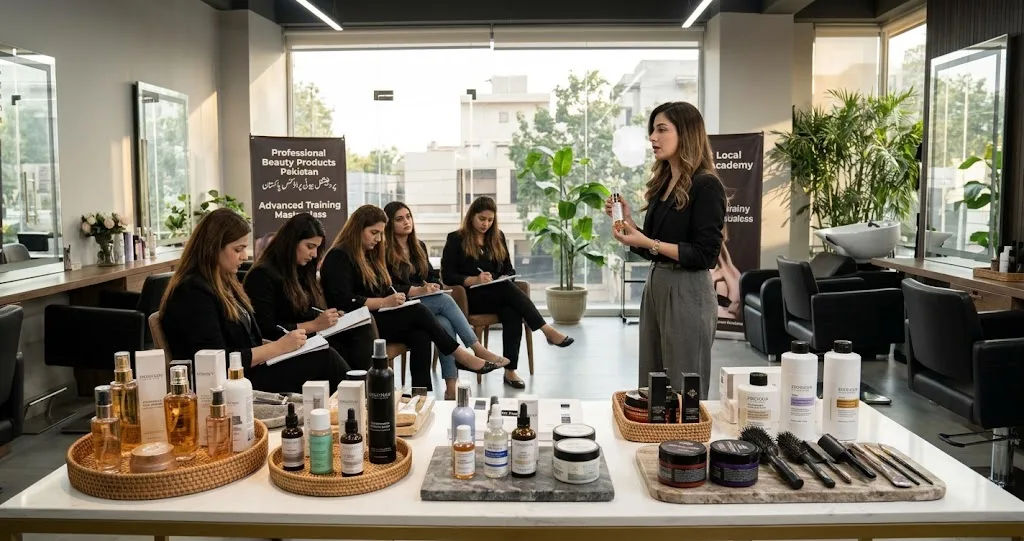
In Pakistan, changing weather conditions, dust, humidity, and exposure to sunlight can affect skin health throughout the year. Choosing suitable skincare products can help protect the skin from these environmental factors while supporting its natural moisture barrier. Many people explore professional beauty products pakistan to find effective cleansers, moisturizers, sunscreens, serums, and other skincare essentials that meet their individual needs. Understanding the ingredients, product quality, and correct application methods can help you build a practical skincare routine.
Whether you are a skincare beginner, a beauty professional, or someone looking to improve an existing routine, selecting appropriate products requires careful consideration. Expensive packaging and popular brands do not always guarantee better results. Instead, focus on your skin type, the ingredients a product contains, its safety, and whether it addresses your specific concerns.
This comprehensive guide explains which skincare products are suitable for different skin types, which ingredients are worth considering, and how to choose products that support healthy skin in Pakistan.
Your Skin Type Before Choosing Products
Before purchasing skincare products, it is essential to identify your skin type. A product that works well for one person may cause irritation or dryness for someone else.
Understanding your skin helps you avoid unnecessary purchases and create a routine that supports your skin's natural balance.
Products for Oily Skin
Oily skin produces excess sebum, the natural oil that helps protect and lubricate the skin. Although sebum is necessary, excessive production can contribute to clogged pores, blackheads, and acne.
People with oily skin should consider lightweight products that provide hydration without leaving a heavy or greasy feeling.
Look for the following options:
-
Gentle foaming cleansers that remove excess oil.
-
Oil-free or lightweight moisturizers.
-
Non-comedogenic products designed not to clog pores.
-
Broad-spectrum sunscreens with a lightweight finish.
-
Serums containing niacinamide, when appropriate for the skin.
Niacinamide can help improve the appearance of enlarged pores and support the skin barrier. However, results vary, and no ingredient can guarantee that pores will disappear.
Avoid washing your face excessively or using harsh products to remove every trace of oil. These habits can irritate the skin and make your routine difficult to maintain.
Products for Dry Skin
Dry skin often feels tight, rough, flaky, or uncomfortable. It may become more noticeable during winter or after using strong cleansers.
People with dry skin generally benefit from products that provide moisture and help reduce water loss.
Consider skincare products containing:
-
Glycerin to attract moisture.
-
Hyaluronic acid to help hydrate the skin.
-
Ceramides to support the skin's protective barrier.
-
Petrolatum to reduce moisture loss.
-
Gentle, fragrance-free cleansing formulas.
Cream-based moisturizers are often more suitable for dry skin than lightweight gels. Applying moisturizer after washing while the skin is slightly damp can also help maintain hydration.
If dryness continues despite regular moisturizing, or if the skin becomes painful, cracked, or inflamed, seek advice from a qualified healthcare professional.
Products for Combination Skin
Combination skin typically has an oily forehead, nose, and chin, while the cheeks may be normal or dry.
Choosing products for this skin type requires balance. Strong oil-control products may make dry areas uncomfortable, while heavy creams may feel unpleasant on oily areas.
A gentle cleanser, lightweight moisturizer, and broad-spectrum sunscreen provide a useful starting point.
You can also apply different moisturizers to different areas of your face if necessary. For example, use a lightweight lotion across the T-zone and a richer cream on dry cheeks.
Products for Sensitive Skin
Sensitive skin may react to fragrances, harsh exfoliants, essential oils, or certain active ingredients.
If your skin frequently becomes red, itchy, or irritated, prioritize simple formulas with fewer potential irritants.
Fragrance-free moisturizers and gentle cleansers are often useful starting points. However, sensitive skin does not react to every ingredient in the same way, so individual tolerance matters.
Introduce new products gradually and perform a patch test according to the product instructions. If you experience persistent irritation, consult a dermatologist.
Essential Skincare Products Worth Considering
A successful skincare routine does not require dozens of products. In most cases, a cleanser, moisturizer, and sunscreen provide the foundation.
Additional products can be introduced when they address a specific concern.
Gentle Facial Cleansers
A cleanser removes dirt, sweat, excess oil, sunscreen, and makeup from the skin.
Choosing a suitable cleanser is especially important in Pakistan, where dust, pollution, and hot weather can make regular cleansing useful.
However, a cleanser should not leave your face feeling excessively tight or dry.
What to look for:
-
Mild cleansing agents.
-
A formula appropriate for your skin type.
-
Fragrance-free options if you are sensitive.
-
Products that rinse away without leaving an uncomfortable residue.
Most people benefit from washing their face in the morning and evening, although individual needs vary. After heavy sweating, gentle cleansing may also be helpful.
Avoid abrasive scrubs and excessively hot water because they can damage the skin's protective barrier.
Moisturizers for Daily Hydration
Moisturizers help maintain skin hydration and support the natural protective barrier.
Every skin type can benefit from moisturizing, including oily skin. The important factor is choosing a suitable texture and formula.
Lightweight gels and lotions may work well for oily skin, while creams are often more comfortable for dry skin.
When evaluating professional skincare ranges, examine the ingredient list instead of relying exclusively on marketing claims. Ingredients such as glycerin, ceramides, and hyaluronic acid can serve useful roles in moisturizing formulations.
Apply moisturizer after cleansing and whenever your skin needs additional hydration.
Sunscreens for Protection
Sunscreen is one of the most important skincare products for people living in Pakistan.
Regular exposure to ultraviolet radiation can contribute to sunburn, premature skin aging, uneven pigmentation, and skin cancer.
Choose a broad-spectrum sunscreen with SPF 30 or higher. Water-resistant formulas may be useful during outdoor activities, exercise, or heavy sweating.
For daily use, select a sunscreen that feels comfortable enough to apply consistently.
Apply it generously to exposed skin before going outdoors. Reapply approximately every two hours while outdoors and after swimming, sweating, or towel drying, following the product's instructions.
Remember that sunscreen does not provide complete protection on its own. Shade, protective clothing, and hats can offer additional protection.
Serums for Specific Skin Concerns
Serums contain concentrated ingredients intended to address particular skincare concerns.
They can be useful additions to a routine, but they are not essential for everyone.
Different ingredients serve different purposes.
Vitamin C: Vitamin C serums may help improve the appearance of uneven skin tone and provide antioxidant support. Their effectiveness depends on the formulation, stability, and concentration.
Niacinamide: This ingredient may help support the skin barrier, improve the appearance of uneven tone, and regulate excess oil for some people.
Hyaluronic acid: Hyaluronic acid helps attract and retain water, making it useful in hydrating products.
Retinoids: Certain retinoids can help improve acne and signs of photoaging. They may also cause dryness, peeling, and irritation, particularly when introduced too quickly.
Begin with one new serum at a time. Using several active ingredients simultaneously can make irritation more likely and make it harder to identify the cause of a reaction.
How to Choose Professional Beauty Products in Pakistan
Selecting products requires more than choosing a popular brand or following a social media recommendation.
You should consider product authenticity, ingredient quality, suitability, and the reliability of the seller.
Check Product Authenticity
Counterfeit and improperly stored skincare products can create safety concerns.
When shopping for professional beauty products pakistan, purchase from reputable retailers, authorized distributors, established pharmacies, or verified brand websites where available.
Check the packaging carefully before buying.
Look for intact seals, clear labeling, batch numbers, ingredient lists, and expiration information where applicable. Follow the manufacturer's storage instructions.
Be cautious when a product is offered at an unusually low price or comes in packaging that differs noticeably from the manufacturer's official presentation.
A barcode or attractive package alone does not prove authenticity. If you have concerns, contact the manufacturer or authorized distributor.
Read the Ingredient List
Ingredient lists provide more useful information than promotional claims alone.
For example, a moisturizer marketed for intense hydration may contain humectants and emollients that help the skin retain moisture. An acne-focused product may contain salicylic acid or benzoyl peroxide.
However, an ingredient's presence does not automatically make a product suitable for everyone.
Concentration, formulation, product pH, frequency of use, and other ingredients can influence performance and tolerability.
If you have allergies, review the ingredient list carefully. Ask a pharmacist or dermatologist for help when you are uncertain about a product's suitability.
Consider Your Budget
Professional skincare does not always require expensive products.
An affordable cleanser, moisturizer, and sunscreen may provide more value than a costly collection of products that you rarely use.
Compare the price per milliliter, recommended frequency of application, packaging, and expected duration of use.
Also consider whether a product addresses a genuine need. Buying several similar serums is unlikely to improve your routine if you have not established basic cleansing, moisturizing, and sun protection.
A practical skincare budget should prioritize consistent use and product suitability over brand prestige.
Choose Products for Your Climate
Pakistan experiences different climatic conditions across its regions. Some areas have hot, humid summers, while others experience dry weather, cooler winters, or substantial temperature changes.
These conditions can influence how products feel on the skin.
During hot weather, lightweight moisturizers and comfortable sunscreens may be easier to use consistently.
During winter, richer moisturizers may help reduce dryness and discomfort.
People who spend considerable time outdoors should prioritize sun protection regardless of the season.
Adjusting product textures to the weather can improve comfort without requiring a completely different skincare routine.
Skincare Ingredients for Common Skin Concerns
Understanding ingredients helps you select products according to your needs rather than relying on general claims.
For Acne and Clogged Pores
Salicylic acid is an exfoliating ingredient that can help unclog pores and improve certain types of acne.
Benzoyl peroxide can also help treat acne by reducing acne-causing bacteria and inflammation.
However, both ingredients can cause dryness or irritation. Start with an appropriate formulation and follow its directions.
Avoid squeezing pimples because this can increase inflammation and the risk of scarring.
If acne is painful, widespread, or leaving scars, consult a dermatologist instead of relying exclusively on cosmetic products.
For Uneven Skin Tone and Dark Spots
Uneven pigmentation can develop for several reasons, including sun exposure, inflammation, hormonal changes, and acne.
Niacinamide and vitamin C may help improve the appearance of uneven skin tone. Other ingredients, including azelaic acid, can be useful for certain pigmentation concerns.
Daily sunscreen is particularly important because ultraviolet exposure can worsen some forms of discoloration.
Avoid unverified skin-whitening creams and products that promise dramatic results within a few days.
Some unsafe or improperly labeled products may contain harmful substances, including mercury or potent corticosteroids. Certain unregulated skin-lightening products have also been found to contain undisclosed ingredients.
If pigmentation develops suddenly, changes significantly, or does not improve, seek professional assessment before using strong treatments.
For Fine Lines and Early Signs of Aging
Skin gradually changes with age, and sun exposure can accelerate the appearance of fine lines and uneven texture.
Daily sunscreen and regular moisturizing provide a useful foundation for maintaining healthy-looking skin.
Retinoids may help improve certain signs of photoaging over time. However, they require careful use because irritation is common, particularly during the initial weeks.
Introduce retinoids gradually according to professional guidance and product instructions.
Topical retinoids should generally be avoided during pregnancy. Anyone who is pregnant, planning pregnancy, or breastfeeding should discuss suitable skincare ingredients with a healthcare professional.
No cosmetic product can completely stop the natural aging process.
Building a Simple Daily Skincare Routine
Once you understand your skin type and the products available, create a routine that is easy to follow.
Consistency is generally more useful than frequently changing products.
Morning Routine
A basic morning routine can include three steps.
Step 1: Cleanse
Use a gentle cleanser to remove overnight sweat and excess oil. If your skin is very dry or sensitive, rinsing with water may be sufficient on some mornings.
Step 2: Moisturize
Apply a suitable moisturizer to maintain hydration. Choose a lighter formula if heavy creams feel uncomfortable.
Step 3: Apply sunscreen
Finish with broad-spectrum sunscreen with SPF 30 or higher. Apply enough to cover the face, ears, neck, and other exposed areas.
Allow each product to settle according to its instructions before applying the next layer.
Evening Routine
Your evening routine should remove the day's buildup and support skin hydration.
Start with a gentle cleanser. If you wear long-lasting makeup or water-resistant sunscreen, an appropriate first cleansing step may help remove it more effectively.
Next, apply any targeted treatment that suits your skin and follow the product's instructions.
Finish with a moisturizer.
If you are introducing a new active ingredient, avoid adding multiple strong treatments at once. A simpler routine makes it easier to identify irritation and evaluate results.
Weekly Skincare Practices
Some people benefit from occasional exfoliation, but it is not necessary for everyone.
Chemical exfoliants containing ingredients such as lactic acid, glycolic acid, or salicylic acid can help improve certain skin concerns. However, excessive exfoliation may cause redness, dryness, sensitivity, and a damaged skin barrier.
Choose an exfoliant according to your skin type and introduce it gradually.
Avoid combining multiple exfoliating products without understanding their effects.
Face masks can provide temporary hydration or help remove excess oil, depending on their ingredients. However, they should complement rather than replace daily skincare essentials.
Mistakes to Avoid When Purchasing Skincare Products
Even high-quality products may cause problems when used incorrectly.
Recognizing common mistakes can help you protect your skin and avoid unnecessary spending.
Following Every Trending Product
Social media trends can introduce useful products, but popularity does not guarantee suitability.
A product that works for someone with oily skin may irritate someone with sensitive skin.
Research the ingredients, identify your skin concerns, and consider whether the product serves a clear purpose before purchasing it.
Using Too Many Active Ingredients
Combining several exfoliating acids, retinoids, and acne treatments can increase irritation.
Redness, peeling, burning, and unusual sensitivity may indicate that your routine is too aggressive.
Introduce new products gradually and avoid layering ingredients without understanding their compatibility.
If a product causes significant discomfort, stop using it and seek medical advice when necessary.
Expecting Immediate Results
Skincare generally requires patience.
Moisturizers may provide noticeable comfort quickly, while acne treatments and products targeting uneven pigmentation often require several weeks or longer to show meaningful changes.
Results depend on the condition being treated, the product formulation, and consistent use.
Be cautious of products promising completely clear skin or dramatic whitening within a few days.
Ignoring Expiration and Storage Instructions
Heat, sunlight, moisture, and air exposure can affect some skincare formulations.
Store products according to the manufacturer's instructions and avoid using items that have changed in smell, color, or texture.
Do not share products that can become contaminated through direct contact with the skin.
Discard products when required by their labeling or when contamination is suspected.
Are Professional Skincare Products Suitable for Everyone?
Professional skincare products can be useful for many people, but the term professional does not automatically mean a product is stronger, safer, or more effective.
Some products are intended for everyday cosmetic use, while others contain active ingredients that require careful application or professional supervision.
The appropriate choice depends on your skin condition, sensitivity, age, existing treatments, and personal goals.
People with eczema, rosacea, severe acne, persistent rashes, or unexplained pigmentation may need advice from a dermatologist.
Pregnant or breastfeeding individuals should also check whether specific ingredients are appropriate for their circumstances.
When evaluating professional beauty products pakistan, pay attention to the intended use, directions, warnings, and evidence supporting the product's claims.
A reputable seller should provide clear product information rather than promising unrealistic results.
It is also important to distinguish cosmetic skincare from medical treatments. Cosmetic products can support cleansing, hydration, and the appearance of healthy skin, but they cannot replace medical care for every skin condition.
How to Recognize a Reliable Skincare Supplier
The supplier you choose can influence your overall purchasing experience.
A trustworthy retailer should offer transparent product information, clear pricing, and reasonable customer support.
Look for Transparent Information
Reliable sellers should provide product names, ingredient lists, directions, relevant warnings, and details about the manufacturer or distributor.
Where applicable, check whether the product complies with relevant local requirements.
Avoid suppliers who refuse to provide basic product information or make exaggerated claims about guaranteed medical results.
Check Storage and Handling Practices
Skincare products should be stored under appropriate conditions.
Exposure to excessive heat or direct sunlight may affect some ingredients and formulations.
When purchasing online, consider whether the seller has appropriate packaging and delivery practices, particularly during hot weather.
Inspect the package after delivery and contact the seller if the product arrives damaged, leaking, or visibly altered.
Evaluate Customer Support
Good customer support can help you understand product directions, return policies, and authenticity concerns.
However, customer reviews should not replace professional medical advice.
Reviews can be helpful for understanding texture, fragrance, packaging, and general user experience, but individual results vary.
A seller who makes unrealistic claims or pressures customers to buy unnecessary products may not be the best choice.
Conclusion
Choosing the right skincare products involves understanding your skin type, identifying your concerns, and selecting formulas that support healthy skin without causing unnecessary irritation. People in Pakistan have access to a wide range of cleansers, moisturizers, sunscreens, serums, and targeted treatments, but the most suitable products are those that match individual needs rather than simply following popular trends.
When comparing professional beauty products pakistan, prioritize product authenticity, ingredient transparency, appropriate storage, and reliable suppliers. These factors can help you make more informed purchasing decisions and reduce the risk of using unsuitable or counterfeit products.
Start with the essentials: a gentle cleanser, a moisturizer that suits your skin, and a broad-spectrum sunscreen. Once your basic routine is established, consider adding targeted ingredients for concerns such as acne, dryness, or uneven skin tone. Introduce new products gradually, follow their directions, and allow enough time to assess their effects.
It is equally important to recognize that more products do not necessarily mean better results. A simple, consistent routine can be effective and affordable when the products are appropriate for your skin. Avoid harsh treatments, unverified whitening creams, and products that promise unrealistic transformations.
Finally, remember that healthy skin requires a balanced approach. Proper cleansing, hydration, sun protection, adequate sleep, and a generally healthy lifestyle all contribute to skin care. If you experience persistent acne, severe irritation, unusual pigmentation, or another concerning skin problem, consult a qualified dermatologist.
By making informed choices and focusing on safety, consistency, and suitability, you can build a skincare routine that meets your needs and supports healthier-looking skin throughout the year.